
Laser hair removal is one of the most effective ways to achieve long-term hair reduction, and it is generally well tolerated when the treatment is performed correctly. Still, “generally safe” does not mean risk-free. Like any procedure that delivers heat to the skin, laser hair removal can cause short-term reactions – and, more rarely, complications that need medical attention.
The reassuring part is that most people experience only mild, temporary redness or swelling. The key is knowing what is expected, what is not, and how to lower the chance of unwanted side effects before your appointment.
A laser targets melanin, the pigment that gives hair its color. The light energy is absorbed by the hair and converted into heat, which damages the follicle and slows future growth. Because skin also contains melanin, it can react to that energy as well—particularly if the skin is tanned, irritated, or treated with settings that are not appropriate for the person’s skin tone and hair type.
That is why a proper consultation matters. An experienced provider evaluates the treatment area, your skin tone, hair characteristics, recent sun exposure, medications, and any history of skin reactions before choosing a device and settings.

These reactions are common and usually settle on their own within a few hours to a few days.
Redness and Follicular Swelling
The treated skin may look pink or feel warm, similar to a mild sunburn. Small raised bumps around individual hair follicles are also common. This is called perifollicular edema and is a normal inflammatory response to the laser energy.
Mild Stinging, Tenderness, or Itching
Some people notice a prickly, tight, or tender feeling after treatment. Itching can occur as the skin calms down, especially in areas exposed to friction from clothing. A cool compress can make the area feel more comfortable.
Temporary Sensitivity
For a short time, the skin may be more reactive to heat, sweat, fragranced products, and sunlight. This is why most providers recommend gentle skin care, loose clothing, and avoiding hot showers, saunas, and intense workouts immediately after a session.
Changes in Skin Color
Some patients develop temporary darkening of the skin (hyperpigmentation) or lightening of the skin (hypopigmentation) in the treated area. The risk is higher after sun exposure and can be greater in people with medium-to-deep skin tones when the wrong laser type or settings are used.
Most pigment changes gradually improve, but they can take time. In uncommon cases, the change may last longer or be permanent. Protecting the skin from the sun before and after treatment is one of the most important ways to reduce this risk.
Blistering, Crusting, or Burns
Blisters and crusting are not expected after a routine session, but they can occur if the skin receives too much heat or is treated while tanned or sunburned. Picking at crusts increases the risk of infection and scarring. If blistering occurs, contact the treating provider or a dermatologist for guidance rather than trying to treat it aggressively at home.
Changes in Skin Texture or Scarring
Scarring is rare, especially with an experienced medical provider, but it is possible after a burn, infection, or significant skin injury. Tell your provider if you have a history of keloids, slow wound healing, or unusual scarring.
Cold Sore Reactivation
Laser treatment around the mouth can occasionally trigger a herpes simplex outbreak in people who are prone to cold sores. Let your provider know about any history of cold sores before facial treatment; preventive medication may be appropriate in some cases.
Paradoxical Hair Growth
Very rarely, fine hair may become more noticeable or grow more densely in or near the treated area. This is known as paradoxical hypertrichosis. It is reported more often in certain facial and neck areas and can usually be managed with an adjusted treatment plan.
Eye Safety Is Not Optional
Lasers can injure the eyes if proper protection is not used. Everyone in the treatment room should wear laser-specific protective eyewear throughout the procedure. This is particularly important when treating areas close to the eyes, such as the upper lip, cheeks, or eyebrows.
Risk can be higher if you:
During your consultation, share your medical history and a complete list of prescription medicines, over-the-counter products, and supplements.
Mild redness and small bumps around follicles are expected. Contact your provider promptly if you develop blistering, severe or worsening pain, spreading redness, significant swelling, drainage, fever, extensive crusting, or a skin-color change that concerns you.
Seek urgent medical care for eye pain, vision changes, or signs of a severe allergic reaction, such as trouble breathing or swelling of the face or throat.
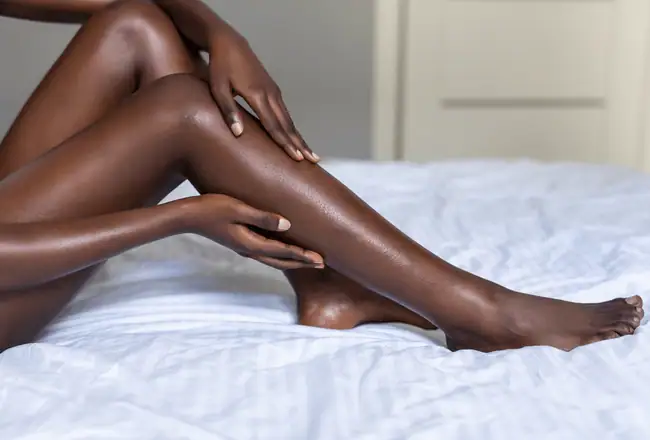
There is no evidence that laser hair removal causes cancer or infertility. The light energy acts at the level of the skin and hair follicle; it does not reach internal organs or reproductive structures. However, laser hair removal is usually postponed during pregnancy because high-quality safety data in pregnant patients are limited.
Yes, laser hair removal can have side effects—but for most patients, they are mild, temporary, and manageable. The most common reactions are redness, swelling around the follicles, and short-lived sensitivity. More serious effects, such as burns, pigment changes, infection, or scarring, are uncommon and are much less likely when treatment is performed by a skilled professional, on untanned skin, with the right laser and settings.
This article is for general educational purposes and is not a substitute for individualized medical advice. For personal recommendations, speak with a board-certified dermatologist or qualified medical professional.