
Author: expert …
Instagram: @
An experienced specialist in laser hair removal and cosmetology with 10 years of experience.
Laser hair removal in New York offers a practical way to reduce unwanted facial and body hair without the frequent shaving, waxing, or irritation associated with temporary hair-removal methods. Laser treatments work best for clients who want long-term hair reduction and are prepared to complete a personalized series of sessions.
Laser hair removal should be described as long-term or permanent hair reduction – not guaranteed lifetime removal. Results depend on hair color and thickness, skin tone, treatment area, hormonal factors, laser technology, and consistency with the recommended schedule.
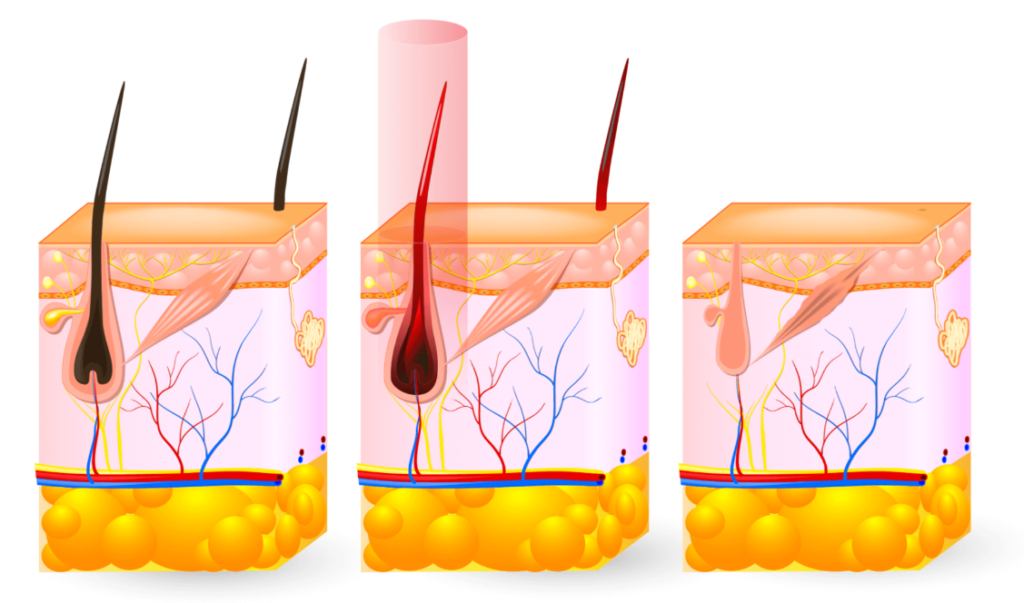
Laser hair removal is a cosmetic treatment that uses concentrated light energy to target pigment inside the hair. The pigment absorbs the laser energy and converts it into heat, which damages the hair follicle and reduces its ability to produce new hair.
The laser is most effective when a hair is in the active growth, or anagen, phase. Because hairs enter this phase at different times, one appointment cannot treat every follicle. A series of sessions allows the laser to target additional hairs as they become active.
According to the American Academy of Dermatology, many patients require multiple treatments, and results vary based on the treatment area, hair characteristics, skin color, and type of laser used.
1. Long-Term Reduction in Unwanted Hair.
The primary benefit of laser hair removal is a long-term decrease in the amount and thickness of unwanted hair. After completing a treatment series, many clients experience extended periods with little or no visible regrowth.
Some hair may eventually return because of hormonal changes, aging, or previously inactive follicles. Regrowing hair is often finer, lighter, and less noticeable, although occasional maintenance sessions may be needed.
The FDA uses “permanent hair reduction” to describe a long-term, stable reduction in the number of hairs that regrow after a completed treatment regimen. The term does not mean that every treated hair will disappear permanently.
2. Less Time Spent Shaving or Waxing
Laser hair removal can simplify a busy New York routine by reducing the need for daily shaving or frequent waxing appointments. Treating areas such as the underarms, legs, bikini line, back, chest, or face can save time once hair growth becomes slower and less dense.
The convenience becomes particularly noticeable for people who currently shave large areas several times per week. Laser appointments require an initial time commitment, but each completed session can reduce future grooming demands.
3. Fewer Ingrown Hairs
Ingrown hairs develop when a hair grows back into the skin instead of rising normally from the follicle. Shaving, waxing, and plucking can contribute to ingrown hairs, bumps, and inflammation, especially in the bikini area, beard area, neck, and underarms.
Laser hair removal targets the follicle responsible for producing the hair. As treated hair becomes less dense, many clients experience fewer recurring ingrown hairs.
Laser treatment is not a substitute for medical care when bumps are caused by infection, hidradenitis suppurativa, or another skin condition. Persistent, painful, or draining lesions should be evaluated by a dermatologist.
4. Less Razor Burn and Skin Irritation
Frequent shaving can cause redness, cuts, itching, and razor burn. Waxing may also produce temporary inflammation and can be uncomfortable on sensitive areas.
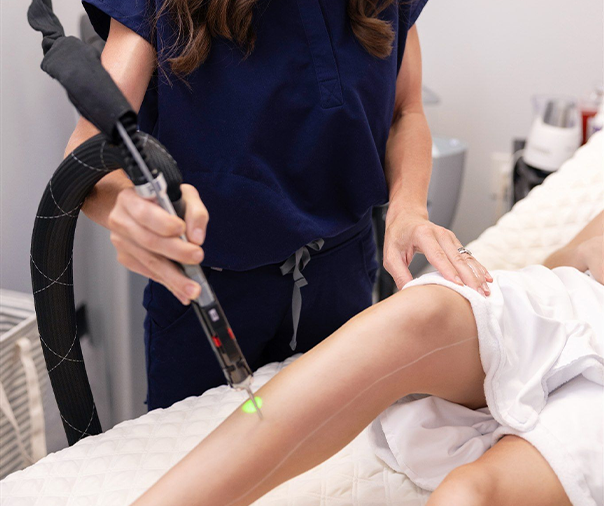
Laser hair removal reduces dependence on both methods. Clients with recurring shaving irritation may notice that their skin becomes easier to manage as the amount of coarse regrowth decreases.
Laser treatment can temporarily cause its own redness, swelling, or sensitivity. The American Academy of Dermatology reports that common side effects are generally minor and often last one to three days, but individual reactions vary.
5. Treatment for Multiple Face and Body Areas
Professional laser hair removal can be used on many areas of the face and body, including:
Treatment time depends on the size of the area. An upper-lip appointment may take only a short time, while full legs, back, or multiple body areas require a longer session.
Laser energy should never be directed over the eyelids or dangerously close to the eyes. Protective eyewear and correct positioning are essential parts of a professional treatment protocol.
6. More Predictable Skin Texture Between Sessions
Waxing produces a short period of smoothness followed by visible regrowth before the next appointment. Shaving may leave stubble within a day or two, particularly when the hair is dark and coarse.
Laser hair removal gradually decreases the number of hairs returning between appointments. Regrowth can become more scattered and less coarse as the treatment series progresses, creating a more manageable skin texture.
Hair does not necessarily disappear immediately after a session. Treated hairs may remain visible before shedding over the following days or weeks, and new hairs can appear when other follicles enter an active growth phase.
7. Options for Different Skin Tones
Advances in laser technology have made professional hair reduction available to a wider range of skin tones. Safe treatment depends on selecting the appropriate wavelength and settings for the client’s skin tone, hair characteristics, and recent sun exposure.
For example, the Cynosure Elite iQ platform used at Skin AEsthetics combines Alexandrite and Nd:YAG wavelengths. Alexandrite technology is commonly selected for lighter skin tones, while Nd:YAG technology can be a more appropriate option for darker skin tones when used by an experienced provider.
Having technology capable of treating different skin tones does not make every setting automatically safe. The technician must evaluate the client’s skin, select suitable parameters, monitor the skin’s response, and adjust the treatment plan when necessary.
8. Minimal Interruption to a Busy Schedule
Laser hair removal generally does not require significant downtime. Most clients can return to normal non-irritating activities after an appointment, although the treated skin may look red or slightly swollen.
Temporary sensitivity matters when planning around workouts, beach days, outdoor events, and other activities that expose the skin to heat, friction, or sunlight. A provider may recommend postponing intense exercise, hot baths, saunas, swimming, or irritating skin products for a short period based on the area and skin response.
New York clients should pay particular attention to sun protection during spring and summer. Direct UV exposure and tanning can increase the risk of burns and unwanted pigmentation changes before or after laser treatment.
9. Potential Long-Term Value
Laser hair removal costs more upfront than a razor or a single waxing appointment. The financial comparison changes when the recurring cost of waxing appointments, razors, blades, shaving products, and ingrown-hair treatments is calculated over several years.
The total cost of laser hair removal depends on:
A low advertised price is not enough to evaluate value. Clients should compare the laser platform, provider experience, treatment time, included areas, package conditions, cancellation policy, and price of future maintenance.
10. A Personalized Treatment Plan
Professional laser hair removal is not a one-setting-fits-all service. A consultation allows the provider to evaluate the treatment area, hair color, hair thickness, skin tone, medical history, medications, sun exposure, and previous reactions to cosmetic treatments.
Personalization affects both safety and results. A suitable treatment plan should specify the laser technology, estimated number of sessions, appointment intervals, preparation requirements, expected response, and circumstances that may delay treatment.
Most clients need a series of treatments because laser energy is most effective on actively growing hair. The American Academy of Dermatology notes that many patients require approximately two to six treatments, although six or more sessions are common for certain areas and individual hair-growth patterns.
Skin AEsthetics generally recommends a customized series rather than promising the same number of sessions to every client. Treatment areas affected by hormones – particularly a woman’s face – may require additional sessions or ongoing maintenance.
Appointments are often spaced several weeks apart. The exact interval depends on the treatment area and the speed of the local hair-growth cycle.
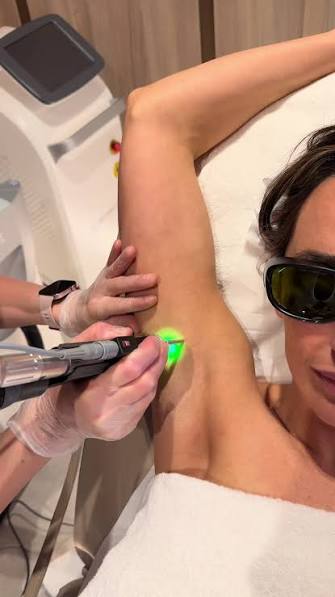
The most common short-term reactions are redness, swelling, and mild discomfort. Less common risks include blistering, burns, scarring, infection, cold-sore reactivation, and temporary or permanent changes in skin color.
The risk of complications increases when settings are inappropriate for the client’s skin tone, the skin is recently tanned, aftercare is ignored, or the operator lacks relevant training and experience.
New York consumers should be particularly careful when choosing a provider. The New York State Department of State warns that laser hair removal itself is not specifically regulated by the state, even though salons, spas, and appearance-enhancement professionals may be subject to other licensing requirements. A polished studio or low package price therefore does not prove that the operator has adequate laser training.
Before booking, ask:
Laser hair removal is a strong option for clients who want less unwanted hair, fewer ingrown hairs, and less dependence on shaving or waxing. The best results come from appropriate laser technology, individualized settings, realistic expectations, and consistent appointments.
Contact Skin AEsthetics in Floral Park to discuss your treatment area, skin tone, hair characteristics, expected number of sessions, and current pricing. A personalized consultation is the safest way to determine whether laser hair removal is right for you.