
Laser hair removal should generally be postponed during pregnancy, while laser hair removal may be considered during breastfeeding after an individual assessment. The main reason for avoiding laser hair removal during pregnancy is not evidence that the treatment harms a developing baby, but the lack of controlled safety studies specifically involving pregnant patients. Because laser hair removal is an elective cosmetic procedure, postponing treatment until after delivery avoids an unnecessary area of uncertainty.
Laser hair removal is not routinely recommended during pregnancy because its safety for cosmetic hair removal has not been adequately studied in pregnant patients. Laser hair removal uses non-ionizing light absorbed by melanin in the hair shaft and follicle, producing localized heat rather than ionizing radiation such as X-rays. The physical characteristics of laser hair removal make direct fetal exposure unlikely, but theoretical reassurance is not the same as clinical proof of safety, so most providers postpone treatment until pregnancy is over.
Laser hair removal during pregnancy is also less predictable because pregnancy can temporarily change both hair growth and skin pigmentation. Hormonal changes can increase hair growth on the face, abdomen, breasts, and other areas, while pregnancy can also increase melanin production and contribute to melasma or other pigmentation changes. Laser hair removal performed against this temporary hormonal background may therefore treat hair that would later shed naturally or may require different treatment parameters than the patient would need after pregnancy.
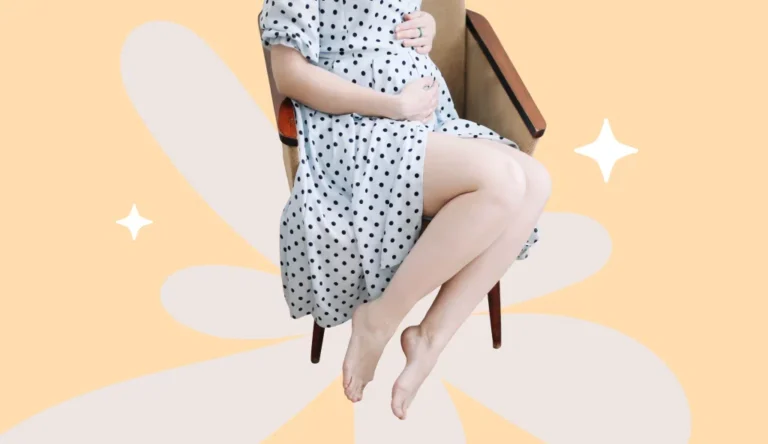
Laser hair removal should be stopped if you become pregnant in the middle of a treatment series, but stopping does not erase the progress already achieved. Laser hair removal permanently reduces susceptible follicles treated during previous sessions, while untreated follicles simply continue through their normal growth cycles. A pregnancy-related break therefore means postponing future sessions rather than starting the entire laser hair removal process again.
Laser hair removal performed before you realized you were pregnant is not, by itself, evidence that your pregnancy has been harmed. Available medical literature involving cutaneous laser treatments has not established fetal injury from the laser beam, and laser energy used on skin does not travel through the body like ionizing radiation. Laser hair removal should still be discontinued once pregnancy is known, and any specific concerns can be discussed with an OB/GYN rather than assuming that an accidental early treatment caused fetal exposure.
Laser hair removal during breastfeeding is different from laser hair removal during pregnancy because there is no fetus to expose and the laser does not circulate through the bloodstream or breast milk. Laser hair removal delivers light energy locally into the skin and hair follicle, so there is no plausible mechanism by which laser energy itself could enter breast milk. Published reviews of cosmetic procedures during lactation generally consider laser procedures low risk, although direct research specifically studying breastfeeding patients remains limited.
Laser hair removal while nursing may still require modifications because postpartum skin and hair can temporarily behave differently. Hormonal changes after childbirth can alter pigmentation, skin sensitivity, hair density, and hair-growth cycles, so laser hair removal results may be less predictable during the early postpartum period. Waiting is sometimes recommended for treatment quality rather than because laser hair removal has been shown to contaminate breast milk.
Laser hair removal should generally not be performed directly over the nipple or areola while those areas are involved in breastfeeding. Laser hair removal can cause temporary redness, tenderness, follicular swelling, or irritation, and an infant’s mouth repeatedly contacts this skin during nursing. Avoiding laser hair removal on actively nursed breast tissue therefore reduces unnecessary irritation and direct infant contact with recently treated skin.

Laser hair removal does not have one scientifically established postpartum waiting period that applies to every patient. Recommendations such as waiting exactly six weeks, three months, or six months are usually clinic protocols rather than universal medical rules. Laser hair removal can be reconsidered once the patient has recovered from delivery, the intended treatment area is healthy, and a provider has reassessed current skin pigmentation, sensitivity, medications, and hair-growth patterns.
Laser hair removal may produce more meaningful results after pregnancy-related hair changes begin to settle. Pregnancy can prolong parts of the hair-growth cycle, while the postpartum drop in estrogen can trigger temporary shedding known as postpartum telogen effluvium. Laser hair removal targets follicles most effectively when appropriate hairs are actively growing, so evaluating the patient’s new baseline before restarting a full treatment series can prevent unnecessary sessions.
Laser hair removal has not been shown to reduce fertility or interfere with conception. Laser hair removal acts locally on pigment-containing hair follicles and does not target reproductive organs or alter reproductive hormones. A patient trying to conceive can discuss treatment timing with the laser provider, with the understanding that laser hair removal would normally be paused once pregnancy is confirmed.
Laser hair removal can usually be replaced temporarily with shaving, threading, or another short-term hair-removal method during pregnancy. Shaving is particularly straightforward because shaving removes hair at the skin surface without targeting the follicle or using an energy-based device. Waxing may also be an option for some pregnant patients, although pregnancy-related skin sensitivity can make waxing more uncomfortable or irritating than usual.
Laser hair removal is best postponed during pregnancy because adequate pregnancy-specific safety data for cosmetic laser hair removal do not exist. The recommendation is precautionary rather than evidence that laser hair removal has been proven to harm a fetus, and postponing treatment also avoids treating temporary pregnancy-related hair growth and pigmentation changes.
Laser hair removal during breastfeeding can often be considered after an individual assessment because laser energy remains localized to the treated skin and is not expected to enter breast milk. Postpartum skin sensitivity, pigmentation, changing hair cycles, the treatment area, medications, and any topical products used with laser hair removal should still be reviewed before treatment begins.
Laser hair removal after pregnancy should be based on your skin and hair rather than an arbitrary date on the calendar. A qualified laser provider can reassess your skin type, current pigmentation, treatment area, and postpartum hair-growth pattern before selecting laser hair removal settings and restarting your treatment plan.