
Yes – you can shave between laser hair removal sessions. In fact, shaving is generally the preferred way to manage regrowth while you are undergoing treatment.
The important rule is simple: shaving removes hair at the skin’s surface, while laser hair removal needs the follicle beneath the skin to remain in place. That is why razors are usually fine, but waxing, tweezing, sugaring, threading, and epilators are not.
Still, timing matters. Your skin may be sensitive immediately after a session, and every provider may have slightly different pre-treatment instructions based on the area treated, your skin type, and the laser being used. Always follow the aftercare plan from your own laser professional first.
Laser hair removal works by directing light energy toward melanin—the pigment in the hair—within the follicle. The heat helps damage the follicle and reduce its ability to regrow hair over time.
A razor cuts the visible part of the hair shaft. It does not pull the hair out by the root or remove the follicle. That leaves the treatment target intact for your next appointment.
This is also why shaving before a session is usually recommended. Long hairs above the skin can absorb some of the energy at the surface, creating unnecessary heat, odor, or irritation. A close shave helps the laser focus on the follicle below the skin rather than on exposed hair.
Laser hair removal is best described as long-term hair reduction, not a guarantee that every hair will disappear permanently after one appointment. Multiple treatments are needed because hair grows in cycles, and laser treatment is most effective when hairs are in an active growth phase.

Usually, you should wait until the treated skin feels calm again before shaving. Mild redness, warmth, tenderness, or small bumps around follicles can occur after a laser session. Shaving too soon may add friction to already sensitive skin and increase the chance of razor burn, irritation, or ingrown hairs.
For many people, this means waiting about 24 to 72 hours. Some providers may recommend a longer wait, especially after treating sensitive areas or if you have lingering redness or swelling.
Do not shave the area yet if you notice:
If any of these occur, contact your laser provider or a qualified medical professional before using a razor or applying active skincare products.
Do not assume your treatment failed. In the days and weeks after laser hair removal, treated hairs may appear to grow before they shed. Often, they are being pushed out of the follicle as part of the normal post-treatment process.
Once the skin has recovered, shaving is fine if you need to remove visible hair. Avoid picking, squeezing, or pulling at hairs that are shedding. Let them release naturally.
Some people notice more shedding one to three weeks after a session. The exact timeline depends on the body area, hair type, treatment settings, and your individual growth cycle.
You can shave as often as needed – as long as your skin is comfortable and not irritated. There is no special “maximum” number of times you are allowed to shave during a laser hair removal plan.
However, daily shaving can be irritating for some people, especially on the bikini line, underarms, face, or areas prone to ingrown hairs. If you develop razor bumps or sensitivity, give the skin time to recover and adjust your technique.
As your treatment plan progresses, you may notice that hair grows back more slowly, becomes finer, or appears in patchier areas. Many patients find that they need to shave less frequently over time.
Once the skin has settled, use a gentle approach.
If shaving causes burning, itching, or significant redness, stop and let the area recover. Your laser provider may be able to recommend products that work well with your treatment plan.
Gentle exfoliation can help reduce dead skin buildup and may support the natural shedding process after treatment. It can also help lower the risk of ingrown hairs for some people.
But timing is important. Do not exfoliate immediately after laser hair removal or while the skin is red, warm, tender, or irritated. Wait until the skin has fully calmed, then use a mild approach, such as a soft washcloth or a gentle exfoliating product approved by your provider.
Avoid aggressive scrubs, harsh brushes, strong peels, and over-exfoliating. These can damage the skin barrier and make the area more reactive before your next session.
If you use retinoids, exfoliating acids, or prescription skincare products, ask your provider exactly when to pause and restart them. Instructions can vary depending on the product, treatment area, and your skin sensitivity.
While you are having laser hair removal, avoid methods that remove hair from the root. They can disrupt the growth cycle and leave less pigment-containing hair available for the laser to target at your next appointment.
Avoid:
Depilatory creams should also be used with caution. Although they do not pull hair out by the root, they can irritate laser-treated skin and may cause a reaction in sensitive areas. Do not use them unless your provider specifically says they are appropriate for you.
Bleaching is not a good substitute either. Laser treatment relies on pigment in the hair, so lightening the hair may make it a poorer target.
If you need to manage regrowth, stick with shaving – or trimming, if your provider approves it.
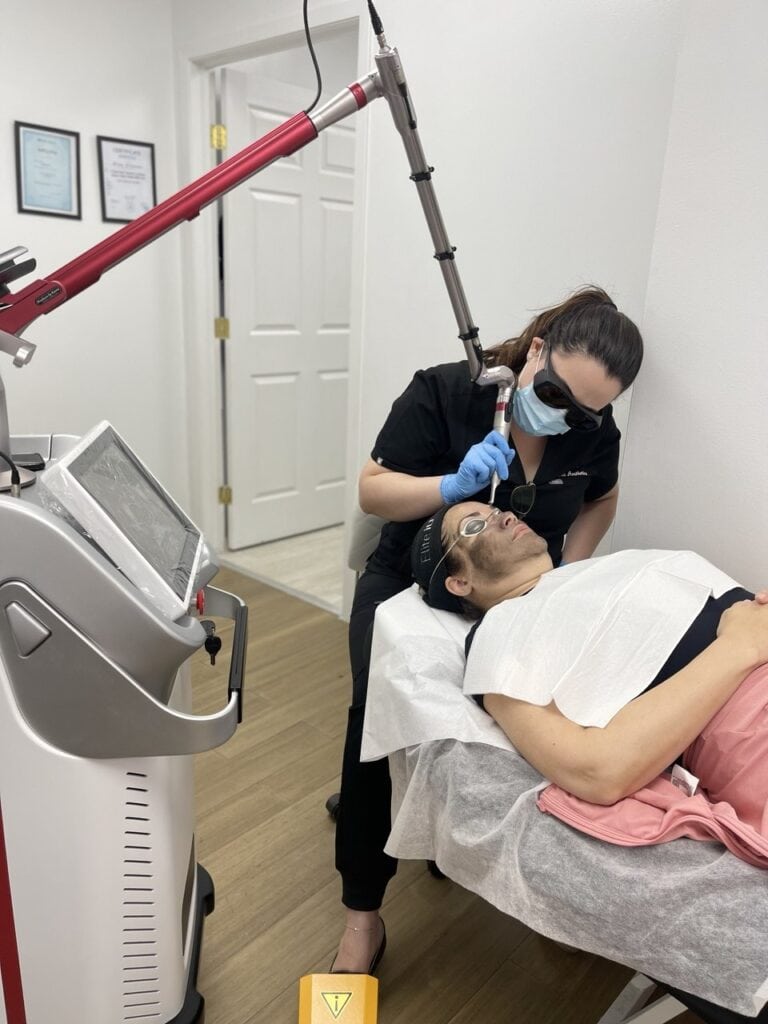
Most laser clinics ask patients to shave the treatment area about 12 to 24 hours before the appointment, though some may advise shaving the night before or the morning of treatment. Follow the specific timeline your provider gives you.
The goal is to arrive with the area cleanly shaved but not freshly irritated. Avoid a rushed, overly close shave right before the session if it leaves you with cuts, razor burn, or sensitivity.
Do not wax or pluck before an appointment. If you have recently removed hair from the root, tell your provider. They may recommend waiting until enough hair has regrown for treatment to be effective.
No. Shaving does not change the number of follicles, hair color, growth rate, or thickness of the hair itself.
The myth comes from the way shaved hair grows out. A razor cuts the hair shaft with a blunt edge, so new growth can feel rougher or look more noticeable than a naturally tapered hair. That appearance is temporary and does not mean the hair has become biologically thicker.
Shaving between sessions will not undo your laser hair removal results.
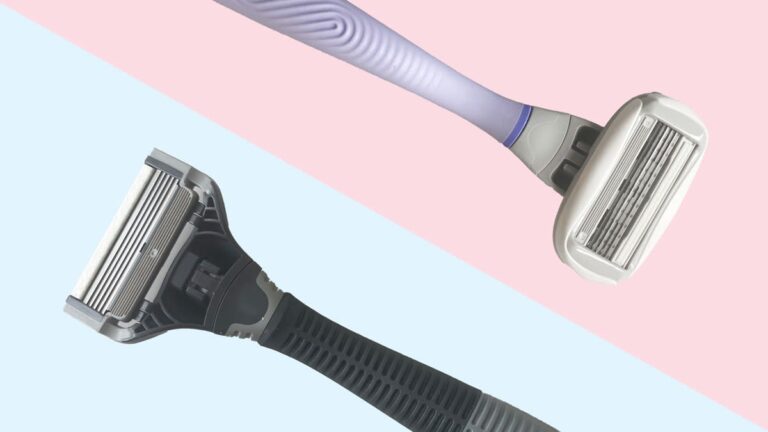
A practical routine often looks like this:
It is usually better not to shave immediately after a laser session. Wait until redness, warmth, tenderness, and swelling have resolved. For many people, that is at least 24 to 72 hours, but your provider’s guidance should take priority.
You can if your skin tolerates it, but daily shaving may cause irritation or ingrown hairs. Shave only as often as necessary, and use a sharp, clean razor with a gentle shaving product.
No. Waxing removes hair from the root and can interfere with the next laser treatment. The same applies to tweezing, sugaring, threading, and epilating.
Trimming does not remove the root, so it may be acceptable between appointments. However, shaving is typically preferred before a laser session because it leaves less hair above the skin. Ask your provider what they recommend for the area being treated.
Hair grows in cycles, and not all follicles are in the same phase during one appointment. Several sessions are typically needed for meaningful long-term reduction. Seeing treated hairs shed or noticing finer, slower regrowth can be part of the normal process.
Yes, you can shave between laser hair removal sessions – and it is usually the best way to manage regrowth. Wait until the skin has recovered after treatment, use a gentle shaving technique, and avoid anything that removes hair from the root.
Consistent aftercare and proper preparation help protect your skin and give each laser session the best chance to work effectively. If you are unsure when to shave, have a skin reaction, or use prescription skincare, contact your laser provider before changing your routine.