
Yes, laser hair removal may help reduce body odor, especially in the underarms, by reducing hair that can retain sweat, bacteria, and odor-producing substances. However, it does not directly stop sweating or eliminate the bacteria responsible for unpleasant smells. Some people notice fresher underarms after treatment, while others experience little improvement or even increased odor. The results depend on your skin microbiome, sweating patterns, and the underlying cause of the smell.
Table of Contents
Body odor develops primarily when bacteria living on your skin break down substances found in sweat and skin secretions.
Your body has two major types of sweat glands: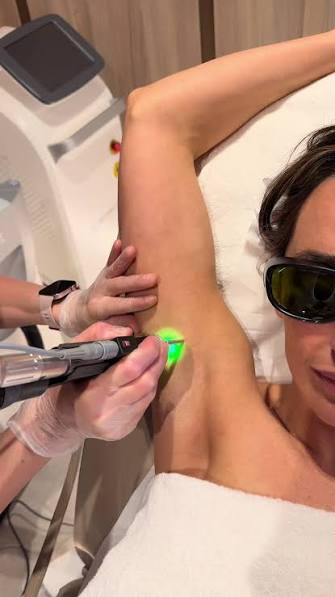
Several factors can influence how strongly someone smells:
Example: Two people may sweat equally during a workout but develop noticeably different odors. Their skin bacteria and the composition of their sweat may explain the difference more than the amount of hair they have.
Laser hair removal uses concentrated light energy to heat and damage hair follicles, producing long-term hair reduction.
Although the procedure targets hair rather than sweat glands, reducing hair growth may indirectly improve underarm freshness.
1. Less Hair Can Mean Less Odor Retention
Underarm hair provides additional surfaces where sweat, oils, and odor-producing substances can accumulate.
Reducing hair density may make the area easier to clean and reduce the amount of material retained between washes.
2. Easier Application of Deodorant
With less hair, deodorants and antiperspirants can be applied more directly to the skin.
This may improve coverage, although laser hair removal does not automatically make every deodorant more effective.
3. Less Irritation From Frequent Shaving
Repeated shaving can cause razor burn, ingrown hairs, and skin irritation.
Successful laser hair reduction may decrease the need for shaving and help prevent recurring shaving-related problems.
4. Possible Changes in Skin Bacteria
Research suggests that laser treatment may alter the composition of bacteria living in the underarm area.
However, these changes are not necessarily beneficial for everyone, and scientists have not established a reliable way to predict their effect on odor.
Practical example: Someone who regularly develops unpleasant underarm odor after exercising may find that having less hair makes washing and applying deodorant easier. This can improve everyday comfort without changing how much they sweat.
A 2020 study published in the Journal of Lasers in Medical Sciences investigated underarm odor and bacterial changes after alexandrite laser hair removal.
Researchers followed 30 women receiving six laser sessions and compared them with 30 women in a control group. After treatment, participants receiving laser hair removal reported the following changes:
|
Reported odor change
|
Participants | Percentage |
| Improved | 19 | 63.3% |
| No noticeable change | 6 | 20% |
| Worsened | 5 | 16.7% |
Researchers also observed changes in bacterial populations.
These findings suggest that laser hair removal may influence underarm odor, but they do not prove that everyone will benefit.
The study had important limitations: a small sample, nonrandomized groups, female-only participants, and self-reported odor assessments. It also did not establish how long the odor changes would last.
The takeaway: There is preliminary scientific evidence supporting a possible reduction in body odor, but laser hair removal should not be presented as a proven or guaranteed odor treatment.
Yes. Some people report stronger underarm odor after laser hair removal.
In the 2020 study, five of the 30 treated participants reported worsening odor.
Possible explanations include:
It is important not to assume that laser hair removal has damaged sweat glands or permanently changed their function.
What Should You Do if Odor Gets Worse?

No. Standard laser hair removal targets hair follicles, not sweat glands.
You may notice less hair holding moisture against the skin, but your body generally continues producing sweat.
This distinction matters because excessive sweating and unpleasant body odor are different problems.
For people with hyperhidrosis, medical options may include prescription antiperspirants, topical medications, botulinum toxin injections, or selected sweat-gland treatments.
Underarm laser hair removal commonly requires approximately six or more sessions, although the exact number varies.
Factors affecting results include:
Hair reduction typically develops gradually over multiple appointments. Any odor improvement may also become noticeable as hair density decreases.
However, there is no scientifically established number of sessions required to reduce body odor.
Some people may notice a difference early, while others complete treatment without experiencing any change in smell.
Maintenance appointments may be needed if hair regrows.
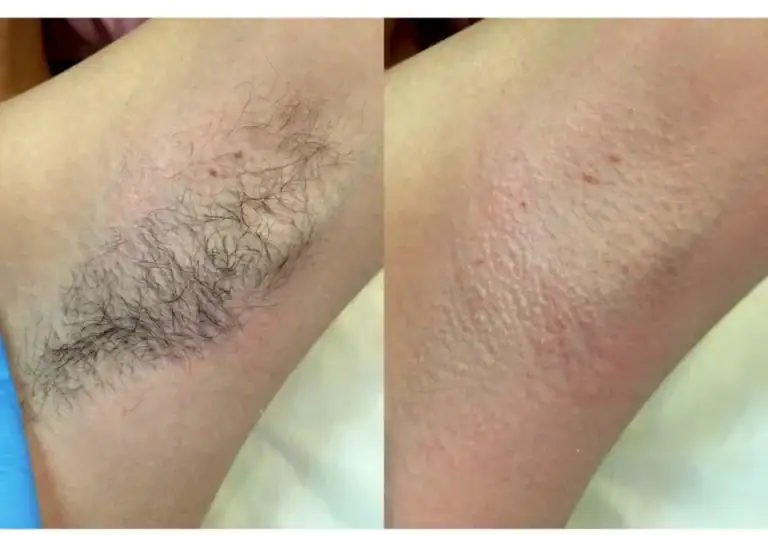
Practical Steps
If excessive sweating is the main concern, stronger antiperspirants or prescription treatments may provide greater benefits than hair removal alone.
Remember that deodorants primarily address odor, while antiperspirants reduce sweating.
If excessive sweating is the main concern, stronger antiperspirants or prescription treatments may provide greater benefits than hair removal alone.
Laser hair removal can make underarm hygiene easier and may help reduce unwanted body odor. Research offers promising but limited evidence, and some individuals experience no improvement or report stronger odor afterward.
If your primary goal is smoother skin and long-term hair reduction, underarm laser treatment may be a reasonable choice. If persistent odor or excessive sweating is your main concern, identifying the underlying cause should come first.
The best approach is to view odor reduction as a possible added benefit of laser hair removal, not its guaranteed result.
Looking for smoother underarms without the constant need for shaving? At Skin Aesthetics, we offer professional underarm laser hair removal in Floral Park, NY, conveniently located for clients from Queens, Nassau County, and Long Island.
Our studio uses the Cynosure Elite iQ+ laser system, featuring Alexandrite and Nd technology. Treatments are tailored to your skin tone, hair characteristics, and individual needs.
Underarm laser hair removal can help you:
While laser hair removal is not a medical treatment for excessive sweating or body odor, it may provide additional comfort as part of your regular hygiene routine.
Ready to enjoy smoother underarms? Explore our Underarm Laser Hair Removal services or schedule a consultation at Skin Aesthetics.
Location: 10 Verbena Avenue, Floral Park, NY 11001.
Discover a personalized approach to laser hair removal in New York.
The information in this article is based on published research and educational resources from recognized medical organizations.
Medical Disclaimer: This article is intended for educational purposes only and does not replace professional medical advice, diagnosis, or treatment. Individual results from laser hair removal vary. Consult a qualified healthcare professional if you experience persistent or unexplained body odor, excessive sweating, or skin irritation.
It may. Reducing underarm hair can decrease odor retention and make hygiene easier. Some research has found improvements in self-reported odor, but the results vary between individuals.
No single treatment guarantees permanently odor-free armpits. Persistent odor may improve with hygiene adjustments, deodorants, hair removal, or medical treatments. In selected cases, sweat-gland procedures may offer longer-lasting improvement, but they have risks and are not universally effective.
Underarm laser hair removal can be worthwhile for people seeking long-term hair reduction, fewer shaving-related problems, and easier grooming. Potential odor improvement is an additional benefit, not a guaranteed outcome.
Possible reasons include temporary changes in skincare routines, irritation, changes in skin bacteria, or unrelated factors affecting body odor. The exact cause is not always identifiable, and a permanent increase in odor has not been established as a predictable outcome.
Not necessarily. Even after successful hair removal, sweat glands and skin bacteria remain active. You may still need deodorant or antiperspirant.
Reducing hair may make cleansing easier and decrease odor retention in hair-bearing areas. However, persistent groin odor may have other causes, including infections or skin conditions, that require appropriate evaluation.