
It is best to avoid alcohol for at least 24 hours before and 24 hours after laser hair removal. Alcohol does not appear to stop the laser from targeting hair follicles, but it can increase flushing, dehydration, and skin sensitivity—factors that may make treatment and early recovery less comfortable. If your laser provider gives you a longer alcohol-free window, follow that protocol.
Laser hair removal works by directing concentrated light at pigment in the hair follicle. The heat damages the follicle during its active growth stage, which is why a treatment plan usually includes multiple sessions. Alcohol does not change the laser’s mechanism, but it can affect how your skin looks and feels around the appointment.
Alcohol can widen blood vessels and increase visible redness or flushing. Laser hair removal can also cause temporary redness, swelling, and a warm, sunburn-like sensation, so arriving with already-flushed or dehydrated skin can make it harder to assess your baseline skin response.
Alcohol may also affect your practical preparation. A night of drinking can leave you dehydrated, tired, or more sensitive to discomfort. That does not mean one drink automatically makes laser hair removal unsafe, but it is not the ideal condition for a procedure that creates controlled heat in the skin.
For most patients, the simplest rule is:
If you drank heavily the night before and feel unwell, dehydrated, or noticeably flushed, contact the clinic before coming in. Rescheduling can be a safer choice than treating irritated skin.
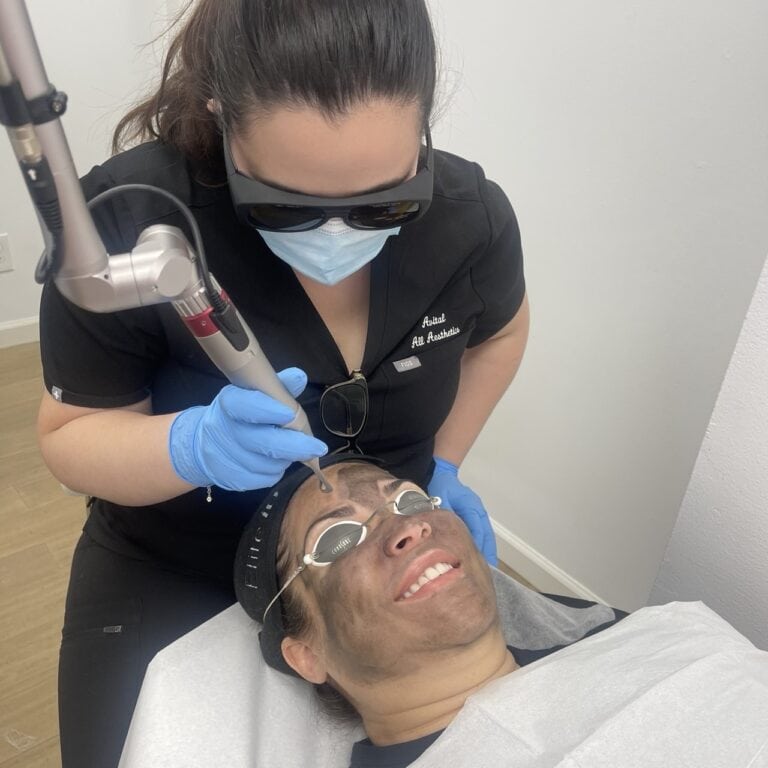
Alcohol does not change everyone’s pain level in the same way, but it can make the experience feel less predictable. Dehydration, poor sleep, anxiety, and skin flushing can lower your comfort level during treatment.
Laser hair removal is commonly described as a quick snapping or warming sensation. The intensity depends on the treatment area, hair thickness, device settings, skin tone, hair color, and individual sensitivity. Underarms, the bikini area, upper lip, and other dense-hair areas often feel more intense than legs or arms.
Do not use alcohol as a way to relax before laser hair removal. It can impair judgment, make it harder to communicate clearly with your provider, and may conflict with clinic safety policies. If anxiety is a concern, ask the clinic in advance about approved comfort measures.
Yes. Avoiding alcohol for at least 24 hours after treatment is a sensible precaution, especially if your skin is red, warm, swollen, or tender.
After laser hair removal, the skin may temporarily react like mild sunburn. Alcohol can contribute to flushing and dehydration, which may make redness or heat feel more noticeable. The goal of aftercare is to keep the treated area cool, calm, protected, and free from unnecessary irritation.
The American Academy of Dermatology notes that temporary redness and swelling are common after laser hair removal, and a cool compress can reduce discomfort. American Academy of Dermatology
A practical aftercare rule is:
There is no strong evidence that a single alcoholic drink directly makes laser hair removal less effective. Laser hair removal results depend much more on the laser type, treatment settings, skin tone, hair color, hair-growth cycle, hormonal factors, and consistency with scheduled sessions.
However, alcohol can indirectly interfere with the treatment process if it leads to a canceled appointment, increased skin redness, poor aftercare, or failure to report relevant medications or health changes. The safest approach is to give your skin the best possible conditions before every session.
Laser hair removal is generally described as long-term hair reduction rather than guaranteed permanent removal of every hair. FDA-cleared device documentation commonly defines permanent hair reduction as a stable long-term reduction in regrowing hairs measured after a treatment regimen. FDA device documentation.
For routine laser hair removal, 24 hours is a common conservative guideline. Some providers recommend 48 hours, particularly for facial treatment, sensitive skin, a strong treatment reaction, or a large treatment area.
Use this decision guide:
Alcohol is a common trigger for facial flushing and can worsen rosacea symptoms in some people. American Society for Dermatologic Surgery
Laser hair removal is generally described as long-term hair reduction rather than guaranteed permanent removal of every hair. FDA-cleared device documentation commonly defines permanent hair reduction as a stable long-term reduction in regrowing hairs measured after a treatment regimen. FDA device documentation.
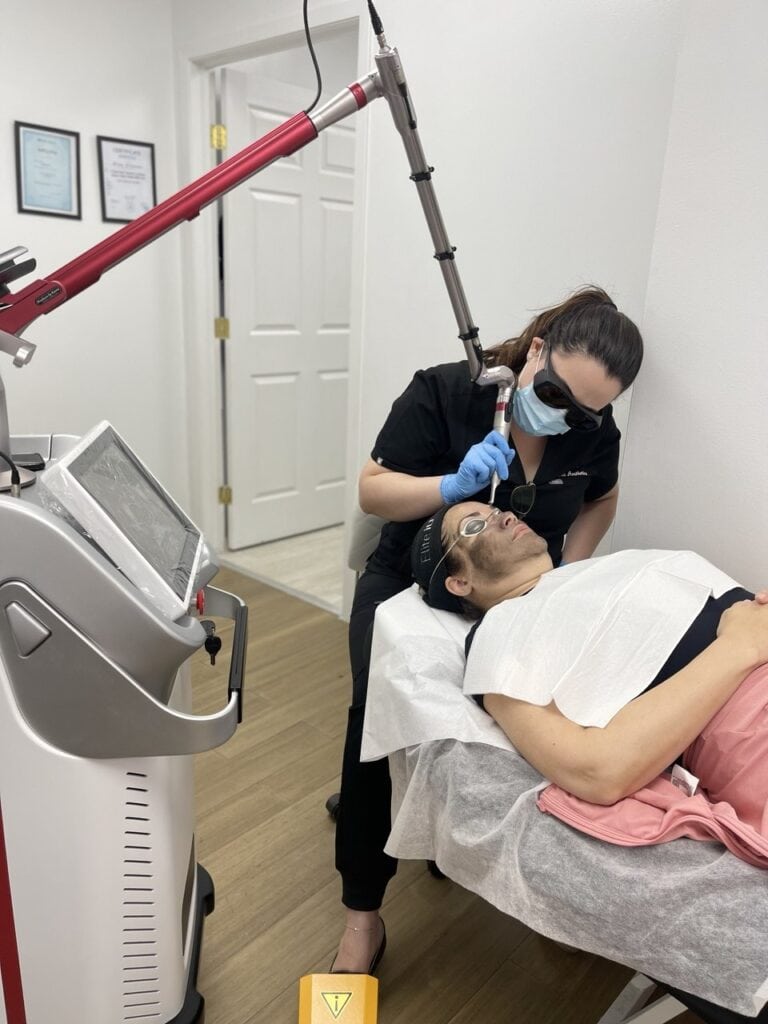
Medication is more important than alcohol in many laser hair removal safety decisions. Before every appointment, tell your provider about prescription medicines, over-the-counter products, supplements, topical retinoids, acne treatments, antibiotics, and any recent changes in your health.
Some medications can increase photosensitivity or change how skin responds to light and heat. Your provider may advise postponing treatment, adjusting settings, or getting clearance from the clinician who prescribed the medication.
Do not stop prescribed medication solely to have laser hair removal. Ask your prescribing clinician and laser provider for guidance. This is particularly important if you use isotretinoin, photosensitizing antibiotics, blood thinners, or medications for chronic medical conditions.
The best laser hair removal preparation is simple and consistent. A few small steps can help your provider treat the correct area safely and choose appropriate settings.
Before your session:
Sun protection is especially important because recent tanning can increase the risk of unwanted skin reactions and pigment changes. The American Academy of Dermatology recommends avoiding tanning and protecting the skin with broad-spectrum, water-resistant SPF 30+ sunscreen before laser hair removal. American Academy of Dermatology
Mild redness, temporary swelling around hair follicles, and discomfort are common after laser hair removal. These reactions often improve within hours to a few days.
Contact your provider promptly if you develop:
Mild swelling and discomfort are common effects of laser hair removal, while temporary or, rarely, lasting pigment changes can occur. Mayo Clinic
You do not need to give up alcohol forever to get laser hair removal, but avoiding it for 24 hours before and after each session is a practical way to reduce unnecessary flushing, dehydration, and discomfort. Your clinic’s protocol should always take priority, particularly if you have sensitive skin, rosacea, a medical condition, or take medications that affect skin sensitivity.
For the safest and most consistent results, choose a qualified laser provider, follow pre- and post-treatment instructions, protect your skin from the sun, and speak up about medications or skin changes before every appointment.