
Short answer: It can be safe for sensitive skin, but “sensitive” is not a one-size-fits-all diagnosis—and facial skin leaves less room for casual decision-making. A careful consultation, the right laser parameters for your skin tone and hair, and conservative aftercare matter more than a device’s marketing name.
Facial laser hair removal can be a welcome alternative for people whose upper lip, chin, sideburns, or jawline react badly to shaving, waxing, threading, or depilatory creams. But it is not automatically gentler, painless, permanent, or appropriate during every skin flare. Laser energy creates heat in pigment-containing hair structures. That is precisely why it can reduce hair growth—and why poor candidate selection or incorrect settings can cause burns, pigment changes, blistering, or scarring.
This guide explains what “safe” really means for reactive facial skin, how to reduce avoidable risk, and when to postpone treatment.
Important: This article is educational, not personal medical advice. If you have a diagnosed skin condition, a history of pigment changes or scarring, recurrent cold sores, or take prescription medication, discuss facial laser hair removal with a qualified medical professional before booking.
Laser hair removal uses a focused beam of light that is absorbed by melanin, the pigment in hair. The absorbed energy becomes heat and damages the follicle, reducing its ability to produce hair. Because hair grows in cycles, not every follicle is vulnerable at the same time; a series of sessions is usually needed.
The realistic outcome is long-term hair reduction, not a guarantee of permanent hairlessness. Regrowth can happen, and maintenance sessions may be needed. Darker, coarser hair generally responds more predictably than blonde, gray, white, or red hair, which contain less or different pigment for the laser to target.
On the face, hormonal hair growth deserves special attention. Laser treatment can reduce existing visible hair, but it does not treat the underlying cause of new growth. If facial hair has changed suddenly or is accompanied by irregular periods, acne, scalp-hair thinning, or other hormonal symptoms, speak with a clinician rather than assuming a cosmetic treatment is the whole answer.

For many people, yes – when the skin is calm, the treatment is customized, and the provider is experienced with the patient’s skin tone and facial area. Sensitive skin alone is not an automatic disqualification.
However, “safe” does not mean zero risk. Temporary redness, warmth, and mild follicular swelling can occur after treatment and often resemble a mild sunburn. More serious complications are less common with appropriate care, but they are possible: blistering, crusting, infection, scarring, lightening or darkening of the skin, and a cold-sore outbreak in people prone to herpes simplex. Pigment changes are an especially important concern for deeper skin tones and for anyone treated on recently tanned or sun-exposed skin.
The facial area also has a non-negotiable boundary: laser hair removal should not be performed on the eyelids, eyebrows, or surrounding eye area because of the risk of serious eye injury. Protective eyewear is essential for everyone in the treatment room.
People use sensitive skin to describe very different experiences: stinging from products, razor burn, redness after heat, a tendency toward dark marks, or a diagnosed condition. Your provider should identify which situation applies rather than treating all sensitivity as the same.
A consultation should cover:
1. The provider’s judgment and technique
This is the biggest controllable factor. The American Academy of Dermatology warns that laser hair removal can cause burns, permanent skin-color changes, and scars in inexperienced hands. Look for a qualified medical professional—or a properly trained provider working under appropriate medical supervision – who can explain why the selected device and settings fit your skin tone, hair, and facial area.
Ask practical questions:
Promises such as “safe for everyone,” “no pain,” “no chance of burns,” or “permanent results guaranteed” are red flags—not proof of advanced technology.
2. Skin tone, hair color, and laser selection
The laser needs to target hair pigment while limiting unnecessary heating of epidermal pigment. That balance becomes more technically demanding in darker skin tones, where the epidermis contains more melanin. A suitable device and careful settings can make treatment possible across a broad range of skin tones, but neither a device label nor a single wavelength makes every treatment automatically safe.
In general, providers may consider different laser systems based on Fitzpatrick skin type, hair characteristics, and the treated site. Nd lasers are commonly used when limiting epidermal melanin absorption is a priority, including for many patients with deeper skin tones. Alexandrite and diode systems may be appropriate for selected candidates. The correct choice is clinical, not a universal “best laser for sensitive skin” ranking.
3. Your skin’s condition on treatment day
Do not try to “push through” a flare. Treatment may need to be delayed if the facial skin is sunburned, actively inflamed, broken, infected, or reacting to a product. For people with rosacea, eczema, contact dermatitis, psoriasis, or active acne, timing and treatment-zone selection should be decided individually. The fact that a person has one of these conditions does not automatically prove laser is impossible; it does mean a generic online clearance is not enough.
4. Cooling, test spots, and conservative settings
Cooling systems and a test spot can improve comfort and help a provider assess a reaction, but they do not turn an unsuitable treatment into a safe one. A patch test is particularly worth discussing if you have had pigment changes, burns, unusual irritation, or a prior adverse reaction to a laser or light-based procedure.

Follow your own provider’s instructions first. Their timing may differ according to your skin, device, and treatment plan. These are widely used principles to discuss at your consultation:
Mild redness, warmth, tenderness, and tiny raised bumps around follicles are common short-term reactions. They commonly settle within hours to a few days. Treated hairs do not always disappear immediately; shedding often occurs gradually over days or weeks.
For sensitive facial skin, the simplest aftercare is usually best:
Avoid treating aloe vera as a universal solution. Some products contain fragrance, alcohol, or botanical ingredients that can irritate reactive skin. A bland, fragrance-free moisturizer is often a safer default unless your provider recommends a specific product.
Call the treating clinic or seek medical advice promptly if you develop severe or worsening pain, significant swelling, blisters, crusting, pus, spreading redness, an unexpected rash, marked darkening or lightening of the skin, or symptoms of a cold-sore outbreak. Do not pick at crusting or try to correct pigment changes with strong at-home acids or peels.
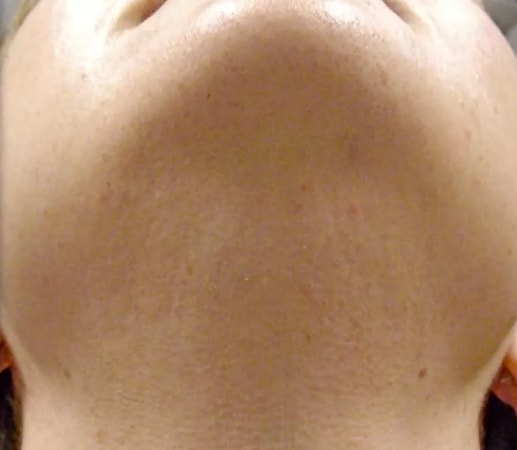
Laser hair removal may reduce the frequency of methods that repeatedly cause razor burn, ingrown hairs, or irritation for some people. That does not mean it is inherently safer for every sensitive-skinned person. Waxing and threading remove hair mechanically; shaving can cause nicks, folliculitis, and irritation; depilatory creams can cause contact dermatitis or chemical burns. Laser adds a different risk profile: heat-based injury and pigment change if treatment is poorly matched to the person or performed on compromised skin.
The best choice depends on your hair, skin condition, priorities, budget, and access to a skilled provider. If your sensitivity is severe or unexplained, get the cause evaluated before changing hair-removal methods.
Possibly, but not during an active flare without individualized medical guidance. The key question is whether the planned treatment area is calm and whether your clinician considers the expected benefit worth the risk of provoking inflammation.
It can cause temporary heat-related sensitivity after each session. There is no honest basis for promising that it will improve skin sensitivity or skin texture. Some people find their skin feels less irritated over time because they shave or wax less often, but that is an individual outcome, not a guaranteed treatment effect.
Fine, light facial hair is often a poor laser target. Treating very fine hair indiscriminately can deliver limited benefit, and rare paradoxical hair stimulation - new or thicker hair growth around the treated area - has been reported. A provider should assess whether the hair is an appropriate target before treating diffuse facial fuzz.
There is no exact number that applies to every face. The AAD notes that patients often need a series of treatments, commonly scheduled weeks apart, and some need maintenance. Your hair-growth pattern, hormones, skin tone, hair characteristics, and the treatment zone all matter.