
Proper preparation for laser hair removal helps the laser target hair follicles while reducing the risk of burns, irritation, and changes in skin pigmentation. The most important steps are to avoid tanning, stop waxing or plucking, shave the treatment area the day before, and tell your provider about medications and recent skin changes.
A laser hair removal consultation allows the provider to evaluate your skin tone, hair color, hair thickness, medical history, and treatment goals. These factors determine which laser settings and treatment plan may be appropriate.
During the consultation, tell the provider about:
Do not stop a prescribed medication without consulting the healthcare professional who prescribed it. Some medications can increase sensitivity to light, so the laser provider may need to adjust the appointment or request medical clearance.
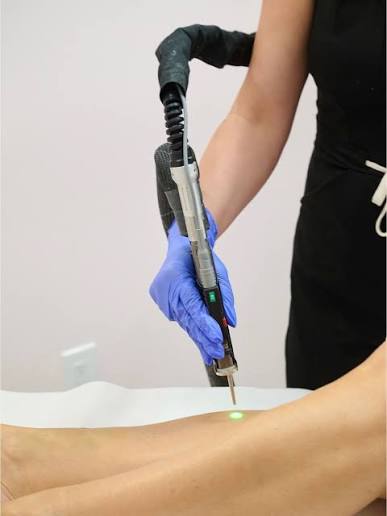
Avoid tanning beds, intentional sunbathing, and prolonged unprotected sun exposure before laser hair removal. Tanned or sunburned skin contains more melanin, which can absorb laser energy and increase the risk of burns, blistering, and temporary or permanent pigmentation changes.
Use a broad-spectrum SPF 30 or higher on exposed treatment areas. If the skin becomes sunburned or noticeably tanned, contact the clinic before the appointment. The session may need to be postponed for safety.
Sunless tanning products should also be discontinued before treatment. Self-tanner changes the color of the skin’s surface and may interfere with the provider’s assessment. Ask the clinic how long before the appointment the product should be stopped, since formulas and protocols vary.
Stop waxing, tweezing, threading, epilating, and electrolysis at least four weeks before laser hair removal unless the provider gives different instructions.
Laser hair removal works by targeting pigment associated with the hair inside the follicle. Waxing and plucking pull the hair out from the root, leaving the laser with less pigment to target.
Shaving is allowed because a razor removes hair above the skin without pulling it from the follicle.
Shave the treatment area approximately one day before the appointment. A close shave leaves the hair follicle beneath the skin while reducing the amount of hair above the surface that can absorb heat.
Use a clean, sharp razor and shaving gel to reduce irritation. Do not repeatedly shave over the same area if the skin becomes red or inflamed.
Avoid shaving immediately before the session if shaving typically causes cuts, razor burn, or swelling. Ask the provider whether shaving 24–48 hours in advance would be more appropriate for sensitive skin.
Do not leave long hair in the treatment area unless the clinic specifically requests it for the consultation. Long surface hair may absorb heat, create an unpleasant odor, and make treatment less comfortable.
Certain skin-care ingredients can make the skin dry, irritated, or more sensitive. Before facial laser hair removal, tell the provider if you use:
The provider should determine which products need to be paused and for how long. The correct interval depends on the ingredient, concentration, treatment area, and condition of the skin.
Do not apply harsh exfoliants immediately before the appointment. Laser treatment should not be performed over skin that is peeling, inflamed, injured, or severely irritated.
Do not bleach the hair in the treatment area before laser hair removal. Hair bleach reduces pigment in the hair shaft, while laser technology depends on pigment to deliver energy toward the follicle.
Tell the provider if the hair was recently bleached. The appointment may need to be rescheduled until natural pigment is visible again.
Laser hair removal is generally most responsive when hair contains dark pigment. Blonde, red, gray, and white hair may respond poorly because the hair contains little melanin for the laser to target.
On the day of laser hair removal, wash the treatment area and leave the skin clean and dry. Do not apply:
Products can usually be removed at the clinic, but arriving with clean skin saves time and allows the provider to examine the area properly.
Do not use an over-the-counter numbing product without the provider’s approval. The FDA has warned consumers about certain high-strength topical pain-relief products marketed for cosmetic procedures because excessive application can cause serious adverse effects.
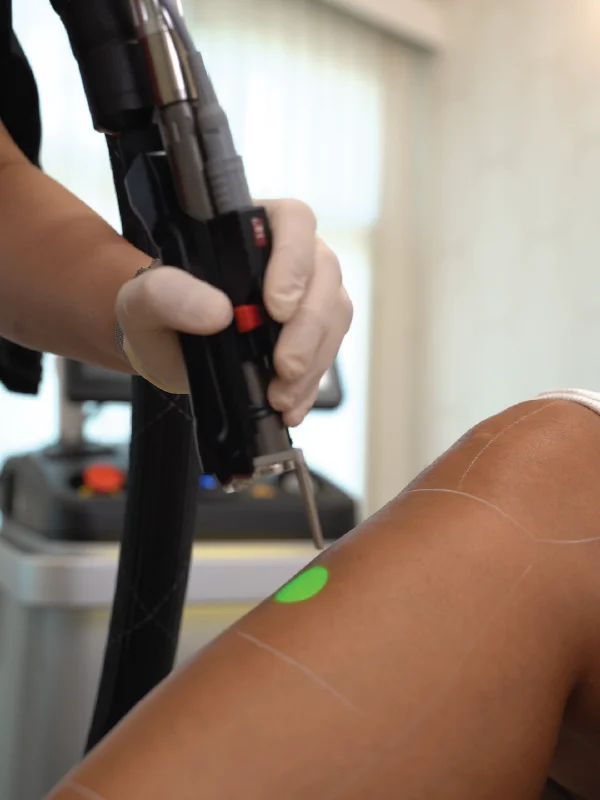
Choose loose, soft clothing that does not rub against the treatment area. Tight waistbands, compression leggings, rough fabrics, and restrictive underwear may irritate recently treated skin.
For bikini or Brazilian laser hair removal, loose underwear and relaxed clothing are usually more comfortable. For underarm treatment, wear a top that provides easy access to the area.
Remove jewelry near the treatment site when requested. Reflective objects should not remain in or near the laser treatment field.
Preparation instructions can vary by device and clinic, but common mistakes include:
If the skin does not look or feel normal on the day of treatment, contact the provider instead of trying to cover the problem with makeup or skin-care products.
Four or More Weeks Before
One to Two Weeks Before
The Day Before
The Day of Treatment
The safety recommendations in this article align with guidance from the American Academy of Dermatology, Mayo Clinic, and the FDA warning concerning certain topical numbing products.
Ready to Start Laser Hair Removal?
Schedule your consultation at Skin Aesthetics and take the first step toward smoother skin and long-term hair reduction.