
Laser hair removal is a convenient way to achieve long-term hair reduction, but proper aftercare is essential. For a short time after treatment, the skin may be more sensitive to heat, friction, sunlight, and certain skincare ingredients.
Knowing what to do after laser hair removal can help calm irritation, protect the treated skin, and reduce the risk of burns, pigmentation changes, or other complications. Follow this practical aftercare guide – and always prioritize the instructions provided by your laser specialist or medical provider.
Laser energy heats the targeted hair follicles. Because of this, the treated area may temporarily look or feel similar to a mild sunburn.
Common reactions include:
These reactions are usually temporary and often improve within several hours to a few days. The skin should gradually return to its normal appearance.
You will not necessarily see immediate hair reduction. Treated hairs may remain in the follicles and appear to continue growing before they begin to shed.
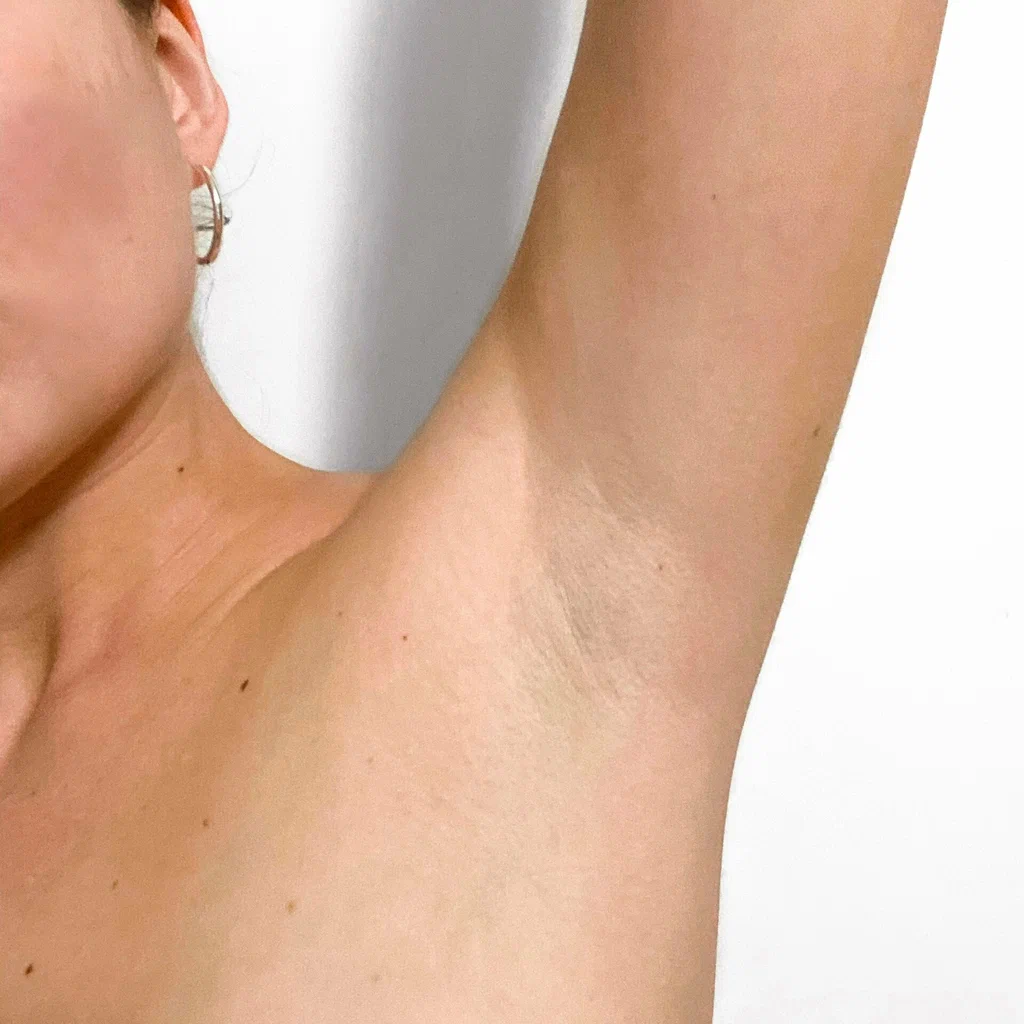
The first day is the most important time to keep the treated skin cool, clean, and protected.
Apply a Cool Compress
If the area feels warm, swollen, or uncomfortable, place a clean, cool compress on the skin for a few minutes at a time.
Do not place ice directly on the treated area. Wrap an ice pack in a clean, soft cloth to prevent additional irritation or cold injury.
Use a Gentle, Fragrance-Free Moisturizer
Apply a simple moisturizer without fragrance, alcohol, retinoids, exfoliating acids, or other potentially irritating ingredients. Pure aloe vera gel may also help soothe temporary warmth and redness, provided it does not contain alcohol, fragrance, or coloring agents.
Do not automatically apply antibiotic ointments, steroid creams, or medicated products unless your provider specifically recommends them.
Wear Loose Clothing
Choose loose, breathable clothing that does not rub against the treated area. This is especially important after laser hair removal on the bikini line, underarms, legs, chest, or back.
Tight clothing, rough fabrics, and repeated friction can make redness and sensitivity worse.
Take Lukewarm Showers
You may usually shower after laser hair removal, but the water should be cool or lukewarm. Use a mild cleanser and your hands rather than a washcloth, exfoliating glove, or cleansing brush.
Pat the skin dry with a clean, soft towel. Do not rub it.
Your skin may be more reactive during the first two days. Avoid anything that significantly increases heat, sweating, friction, or irritation.
Avoid Exercise and Excessive Sweating
Skip strenuous workouts for approximately 24 to 48 hours, particularly if the skin remains red or sensitive. Sweat, heat, and friction from clothing may aggravate the treated area.
Light daily activity is generally fine as long as it does not cause heavy sweating or discomfort.
Avoid Saunas, Steam Rooms, and Hot Tubs
Do not use saunas, steam rooms, hot tubs, or heated pools immediately after treatment. Heat may intensify redness, swelling, and sensitivity.
Hot baths and very hot showers should also be avoided until the skin feels normal again.
Avoid Swimming
Chlorinated pools, salt water, and other shared bodies of water may irritate freshly treated skin. Wait until the redness and sensitivity have resolved and follow the timing recommended by your provider.
Avoid Deodorant, Perfume, and Fragranced Products
If your underarms were treated, avoid deodorant until the skin is calm—especially products containing alcohol, fragrance, or strong active ingredients.
Do not apply perfume, fragranced lotion, body spray, or essential oils directly to a recently treated area.
Avoid Makeup if the Face Was Treated
After facial laser hair removal, it may be best to avoid makeup for the rest of the day. You can usually resume wearing makeup once the skin is no longer hot, irritated, or unusually sensitive.
Choose clean, noncomedogenic products and apply them gently.
Sun protection is one of the most important parts of laser hair removal aftercare. Recently treated skin can be more vulnerable to sunburn and unwanted pigmentation changes.
Avoid deliberate tanning, tanning beds, and prolonged direct sunlight throughout your treatment course. When the area cannot be covered, apply a broad-spectrum sunscreen with SPF 30 or higher. Reapply it as directed, especially when spending time outdoors.
Protective clothing can provide additional coverage. Depending on the treated area, consider wearing:
Do not use self-tanning lotions or sprays on the treatment area unless your provider says they are safe. Your skin should be at its natural baseline color before the next laser session so the device can be used safely and accurately.
For several days after treatment—or until the skin has completely calmed down—use a basic skincare routine.
Temporarily avoid:
Do not restart active ingredients simply because a certain number of days has passed. Wait until there is no redness, tenderness, swelling, or unusual sensitivity. If you use prescription skincare products, ask the prescribing provider when to resume them.
Shaving is normally the preferred method of managing hair between laser sessions. However, do not shave skin that is red, swollen, painful, blistered, or irritated.
Wait until the treated area feels calm, which may take approximately 24 to 48 hours for some people. When you resume shaving:
Do not wax, tweeze, thread, sugar, or epilate the hair between appointments. These methods remove hair from the follicle, leaving less pigment for the laser to target during your next session.
Depilatory creams can also irritate the skin and should only be used if your laser provider approves them.
Do not exfoliate immediately after laser hair removal. Scrubbing freshly treated skin can increase irritation and sensitivity.
Once the area has fully recovered—often after several days—you may begin gentle exfoliation if your provider recommends it. This can help remove dead skin cells and allow treated hairs to shed naturally.
Use light pressure and stop if you notice redness, burning, or discomfort. Never pick, squeeze, or pull out hairs that appear trapped beneath the skin.
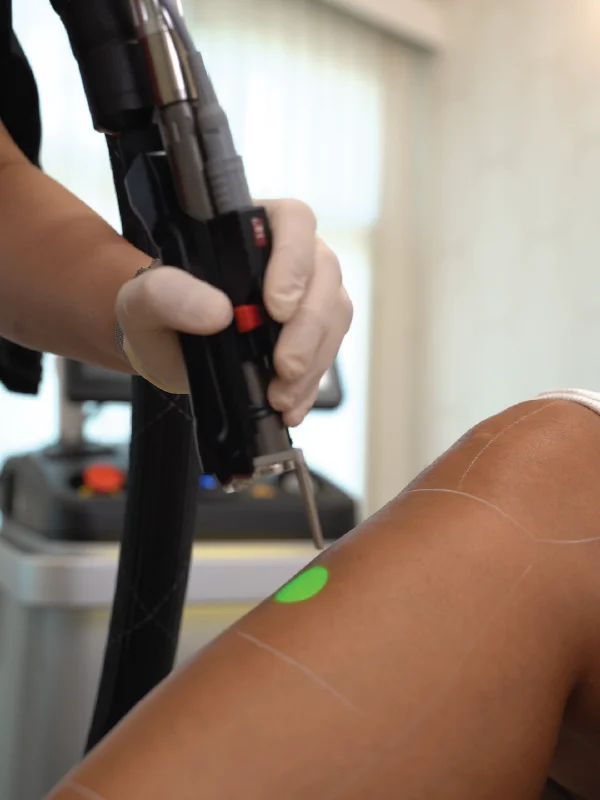
Laser-treated hairs do not disappear instantly. Shedding commonly begins within one to three weeks after a session.
During this stage, the hairs may look as though they are continuing to grow. In reality, many of them are gradually being released from the follicles. You may also notice that hair growth becomes patchy or less dense.
Let the hairs shed naturally. Shaving is acceptable after the skin has healed, but do not pull the hairs out with tweezers.
Laser hair removal only targets follicles in an active growth phase. Because not all hairs are active at the same time, multiple sessions are needed to achieve substantial, long-term reduction.
The following reactions are generally expected when they are mild and temporary:
These effects usually become less noticeable within one to three days. Recovery time can vary depending on the treatment area, skin sensitivity, laser type, and settings used.
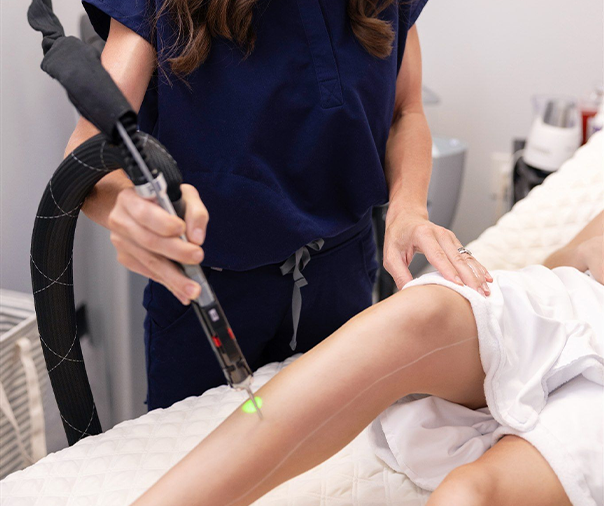
Contact your laser specialist or medical provider if your symptoms are severe, worsening, or lasting longer than expected.
Seek professional advice if you develop:
Do not attempt to treat blisters, burns, or possible infections with home remedies. Your provider should assess the skin and recommend appropriate care.
Continue protecting the treatment area between appointments. Avoid tanning and do not remove hair from the root.
Before your next laser hair removal session:
Treatment intervals vary according to the body area and individual hair-growth cycle. Do not schedule sessions closer together in an attempt to accelerate your results. Treating the area before new hairs enter the correct growth phase may not improve the outcome.