
Laser hair removal can substantially reduce unwanted hair, but it takes a series of appointments, and some regrowth is possible. Your hair color, skin tone, treatment area, and hormonal factors affect the outcome. Before booking, know how to prepare, what your treatment plan includes, and which skin reactions need medical attention.
For New Yorkers fitting sessions around work, workouts, and beach weekends, scheduling matters. Leave room for aftercare as well as the appointment itself.
1. Do I shave before laser hair removal?
Yes. Shave the treatment area according to your clinic’s instructions, usually the day before. Shaving leaves the hair below the skin available for treatment. Waxing and plucking pull it out.
Use a clean razor and avoid repeatedly passing over the same spot. Tell your provider about cuts or significant razor irritation before treatment.
2. Is it better to shave the night before or the morning of laser hair removal?
The night before is usually a practical choice. It follows common day-before instructions and gives you time to notice irritation.
Morning shaving may be acceptable under your clinic’s protocol. Ask beforehand, especially if shaving leaves your skin sore. There is no single preparation window that every device and clinic uses.
3. Can you do laser on unshaved hair? Is a little stubble OK?
Long hair should be shortened before treatment. Hair above the skin can absorb energy and singe, adding surface heat.
Very short stubble may be acceptable; some hospital protocols specifically allow it. You do not need to keep scraping your skin to eliminate every visible dot. If you forgot to shave, call the office and ask whether it can prepare the area or needs to reschedule.
4. Should I shave my pubic hair before laser hair removal?
Yes, if that is the area being treated. Confirm the treatment boundaries first: a bikini-line service and a Brazilian are not necessarily the same appointment.
Shave only the agreed external, hair-bearing area, following the clinic’s instructions. If you want to keep a strip or a particular shape, discuss it before shaving. Ask for preparation instructions for areas you cannot safely reach. Do not use a last-minute wax as a substitute.
5. Can I wax, tweeze, or use an epilator between appointments?
Avoid methods that pull hair out at the root during your treatment course. These include waxing, tweezing, threading, and epilating. Your provider will specify when to stop before the first session.
Shaving is generally the practical option between visits once your skin has recovered. Ask separately about depilatory creams; they can irritate skin and are not interchangeable with shaving.
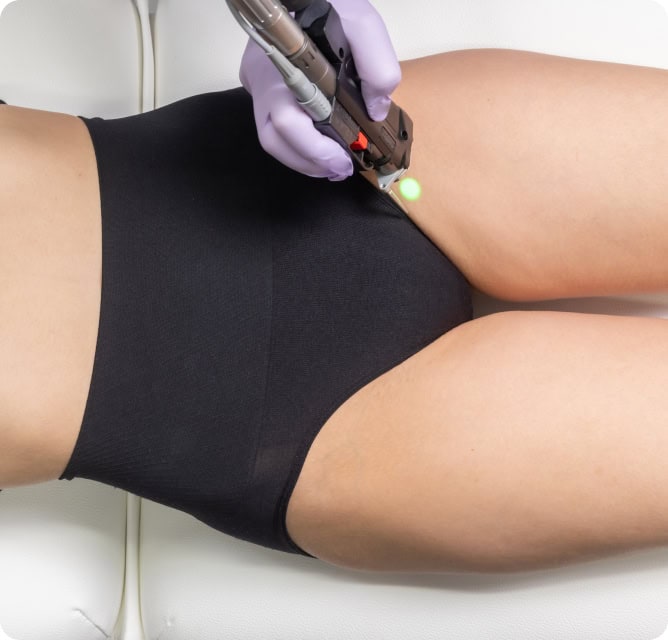
6. How many laser sessions are needed?
Expect a series of treatments. Mayo Clinic gives a general range of four to eight sessions; your estimate may be higher depending on the area and your response.
Ask what the estimate is based on. A six-session package describes what you are buying, not a guaranteed biological endpoint.
7. How many times do you have to laser before hair stops growing?
There is no session number that guarantees every hair will stop growing. Laser works best on follicles in the active growth phase, and hairs do not all enter that phase together.
The useful question is whether you are seeing progressively less regrowth. Ask your provider to compare photographs and growth patterns as treatment continues.
8. How far apart should sessions be?
Appointments are commonly spaced roughly four to eight weeks apart initially, with adjustments for the treatment area and returning growth.
Do not assume weekly appointments will finish the job faster. Ask when the next treatment is likely to reach a useful new group of growing hairs. Your schedule may become less frequent as regrowth slows.
9. How soon after laser hair removal do you see results?
Treated hairs shed gradually. Over the following days and weeks, they may appear to keep growing as they work their way out.
Judge progress over the treatment course, not by whether your skin is perfectly smooth the next morning. Do not tweeze out hairs or aggressively scrub to speed shedding.
10. How many years will laser hair removal last?
Results can last for months or years. There is no reliable promise that everyone will stay hair-free for a fixed number of years.
Some people need occasional maintenance. Returning hair may be finer and less dense. Before buying a package, ask how the clinic defines success and whether maintenance visits cost extra.
11. Does pubic hair grow back after laser removal?
It can. The bikini area can respond to treatment, but complete lifelong removal is not guaranteed. You may eventually notice scattered hairs or patches of regrowth.
Choose the area carefully. If you are unsure about removing all pubic hair, discuss a smaller treatment area before committing to a full Brazilian.
12. Does laser work if my hair growth is hormonal?
Laser can reduce existing unwanted hair, but it does not correct the hormonal cause. People with PCOS may need more sessions and ongoing management.
New or rapidly increasing facial hair, particularly with irregular periods or other symptoms, is worth discussing with a healthcare professional. A treatment plan for the underlying condition may help alongside hair removal.

13. What are the negatives of laser hair removal?
The practical drawbacks are cost, repeat appointments, discomfort, and the possibility of maintenance.
Temporary redness and swelling are common. Potential complications include burns, blisters, pigment changes, infection, herpes outbreaks, and scarring. Some pigment changes can last. Provider experience and appropriate treatment settings matter.
14. What hair cannot be effectively lasered?
White and gray hair lack enough target pigment. Very light blond hair and many red hairs also respond poorly. Fine peach fuzz is generally a poor target.
Ask for an assessment before purchasing a package for these hairs. Electrolysis can be an alternative because it does not depend on hair pigment.
15. Is laser hair removal safe for dark skin?
It can be, with a suitable device, settings, and an experienced provider. Dark skin should not be treated as if it were light skin.
The long-pulsed 1064-nm Nd:YAG laser is an established option for darker skin tones. Ask which wavelength will be used and how often the provider treats people with your skin tone. A device’s brand name alone does not answer those questions.
16. Can laser hair removal make hair growth worse?
Yes. An uncommon complication called paradoxical hypertrichosis causes increased hair growth in or near the treated area. Research has found a stronger association with treatment on the face and neck.
This deserves discussion before treating fine facial hair. If growth becomes denser, ask for a clinical reassessment before continuing the same plan.
17. Does laser hair removal hurt? Can I use numbing cream?
It can feel like brief hot snaps or stings. Cooling helps, but sensitivity varies by area and person. Tell the operator if the sensation becomes unexpectedly intense.
Do not apply a strong numbing cream on your own. The FDA has warned about serious reactions to certain topical anesthetic products, especially when used over large areas, on irritated skin, or under a covering. Ask the treating clinician what is appropriate.
18. What is the healthiest way to remove hair?
There is no single healthiest method for everyone. Body hair does not need to be removed for you to be clean.
If you choose removal, consider your skin’s response and how long you want the result to last. Shaving can cause cuts and razor irritation. Waxing can irritate skin or cause burns. Depilatory creams can cause reactions. Laser and electrolysis require appropriate expertise.
If close shaving repeatedly causes problems, discuss trimming or another approach with a dermatologist.
19. Do people ever regret laser hair removal?
Regret is possible, but there is no dependable universal regret rate to quote. Before deciding, consider what would disappoint you: remaining hair, maintenance costs, a complication, or removing more hair than you later want.
Ask yourself: “Would I still want this treatment if it meant a substantial reduction rather than perfectly bare skin?” For a beard line or bikini shape, agree on the boundaries before the first session.
20. What do people wish they knew before laser hair removal?
Useful points to settle before paying include:
These are consultation questions, not testimonials or claims about what every patient experiences.
21. Can laser treat hair over tattoos or near the eyes?
Hair-removal lasers should not be used directly over tattoos. Eyelids, eyebrows, and surrounding areas are also unsuitable because of the risk of eye injury.
Proper protective eyewear is required during treatment. Closing your eyes is not adequate protection.
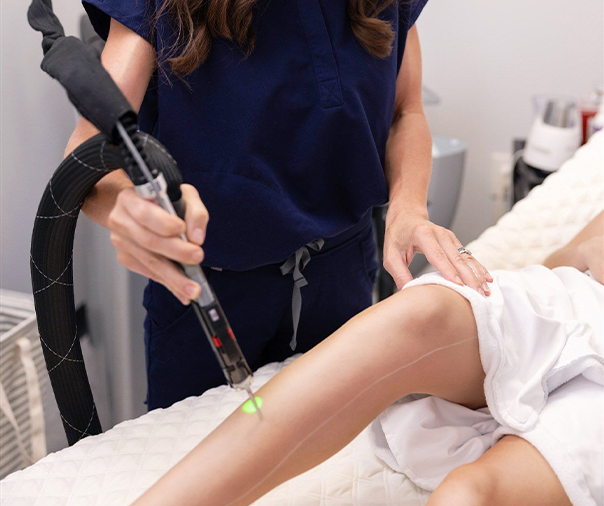
22. Can I shave two days after laser hair removal?
Possibly, but two days is not a universal clearance point. Some protocols permit shaving once the skin tolerates it; others specify a longer wait. Leeds Teaching Hospitals advises avoiding shaving for five days.
Follow your clinic’s written instructions. If the skin is still red, tender, swollen, blistered, or crusted, leave it alone and ask the clinic when to resume.
23. What happens if you shave too early after laser?
Shaving irritated skin can add friction, cuts, and discomfort. The concern is skin recovery; shaving does not pull out the follicle.
If you shaved early and the skin feels normal, it does not automatically mean you ruined the treatment. Stop if shaving stings or causes bleeding. Contact the clinic if irritation persists or worsens.
24. What should I do after laser hair removal?
Keep the treated area comfortable and handle it gently:
Ask for written instructions before leaving. Your usual facial skincare routine may need temporary changes after an upper-lip or chin treatment.
25. Can I shower after laser hair removal?
A short lukewarm shower is commonly allowed, but follow your provider’s instructions about timing. Avoid hot water, scrubbing, and a forceful spray on sensitive skin. Gently pat dry.
If there are blisters or open areas, get specific wound-care advice before treating the area like normal skin.
26. When can I work out, swim, or use a sauna?
Wait for the period specified by your clinic and until the skin has settled. Heat, heavy sweating, and friction can aggravate a fresh treatment reaction.
Protocols vary, so do not assume a lunchtime appointment means you can attend hot yoga that evening. Ask about your actual activity: a walk, a spin class, and a sauna expose treated skin to different conditions.
27. How long after laser can you go in the sun?
Avoid tanning throughout the treatment course. Mayo Clinic recommends protecting treated skin from sun exposure for six weeks after treatment, or as directed by your healthcare professional.
For daily outdoor time, use protective clothing, shade, and broad-spectrum SPF 30 or higher as instructed. Sunscreen does not make sunbathing safe immediately after treatment.
Tell your clinic about a planned beach trip before scheduling. A walk to the subway and several hours on the beach are very different exposures.
28. Which symptoms mean I should call the clinic?
Call promptly for blistering, open sores, crusting, worsening pain, pus, fever, or a cold-sore outbreak. Persistent redness or new skin discoloration also deserves review.
Do not assume that a more severe skin reaction means the treatment worked better.
Want to spend less time shaving? Visit Skin Aesthetics in Floral Park, NYC, to discuss laser hair removal for your underarms, legs, bikini line, or other treatment areas.
Start with a consultation to discuss your skin and hair type, the results you’re looking for, and what treatment would involve. Ask about session timing, pricing, and aftercare before choosing a package.
We welcome clients from Queens, Long Island, and across NYC.
Visit us: 10 Verbena Avenue, Floral Park, NY 11001
Call: (718) 664-0284