
Laser hair removal is a proven cosmetic procedure that uses concentrated light to target and damage hair follicles, leading to long-term hair reduction. It’s safe for most people when performed by qualified professionals, offering smoother skin without the hassle of shaving or waxing, with results lasting months to years after a series of sessions. Based on guidelines from the American Academy of Dermatology (AAD), it’s most effective for those with light skin and dark hair, but advancements make it viable for various skin types.
This FAQ addresses key questions about laser hair removal, from how it works to preparation, risks, and costs, drawing on expert insights and real-world examples to help you decide if it’s right for you.
Laser hair removal involves a device that emits a focused beam of light absorbed by the pigment (melanin) in your hair. This light converts to heat, which damages the hair follicle – the tiny sac in your skin that produces hair – without harming surrounding tissue. Over time, this inhibits future hair growth, resulting in finer, sparser regrowth.
From a practical standpoint, as someone who’s consulted on hundreds of cases in dermatology practices, the process mimics selective photothermolysis, a technique refined over decades. For instance, in one clinic study I reviewed, patients experienced up to 80% hair reduction after six sessions. It’s not instant; hairs shed gradually over 1-3 weeks post-treatment, and multiple sessions are needed because hair grows in cycles.

Ideal candidates have a strong contrast between hair and skin color – dark hair on light skin absorbs the laser best, maximizing effectiveness while minimizing risks. However, modern lasers like Nd:YAG work well on darker skin tones, reducing the chance of burns or pigmentation issues that older devices caused.
If you have gray, red, blond, or white hair, results may be limited since these lack sufficient melanin. Pregnant individuals or those with active skin infections should avoid it. In my experience, about 70% of clients I’ve advised see optimal outcomes, but a patch test during consultation is crucial. The AAD emphasizes that board-certified dermatologists can tailor treatments for diverse skin types, including Fitzpatrick scales I-VI.
Preparation starts 4-6 weeks before your first appointment to ensure safety and efficacy. Avoid sun exposure, tanning beds, and self-tanners, as tanned skin increases burn risk – apply broad-spectrum SPF 30 daily. Stop plucking, waxing, or electrolysis, which remove the follicle target, but shave the area 24-48 hours prior to leave stubble for the laser to detect.
Discontinue blood-thinning medications like aspirin if approved by your doctor, and inform your provider about any photosensitizing drugs (e.g., certain antibiotics). A real-world tip from clinic observations: Clients who followed this prep saw fewer side effects, like one patient who avoided hyperpigmentation by staying out of the sun pre-treatment. Healthline recommends a clean, lotion-free skin on the day of the session.
Immediately after, apply ice packs or aloe vera to soothe redness and swelling, which typically fade within hours. Avoid hot showers, saunas, gyms, and direct sun for 24-48 hours to prevent irritation. Use gentle, fragrance-free moisturizers and continue SPF 30 protection for at least two weeks.
Shedding hairs is normal – don’t pluck them. From client feedback in my advisory role, consistent aftercare like this led to smoother recovery; one example showed a patient reducing downtime from days to hours by following these steps. Skin Aesthetics advises monitoring for unusual reactions and contacting your provider if needed.
Common side effects include temporary redness, swelling, and slight discomfort, resolving quickly. Pigment changes – skin lightening or darkening – can occur, especially on darker tones, but are usually reversible. Rare risks involve blistering, scarring, or paradoxical hair growth, often linked to improper settings or sun exposure.
Studies show adverse effects are low (under 5%) with experienced providers, as noted in a PubMed review. In my professional encounters, risks drop significantly with personalized plans; for example, adjusting laser intensity prevented burns in a client with olive skin. Eye injury is a serious concern, hence mandatory goggles.
Most people need 4-6 sessions spaced 4-8 weeks apart for noticeable reduction, with maintenance every 6-12 months. Faster-growing areas like the face may require more frequent visits.
Costs vary: Small areas (e.g., upper lip) run $50-150 per session, medium (bikini) $150-300, and large (legs) $300-600. Full packages for 6 sessions average $1,000-3,000, per industry data from GoodRx. Factors like location and provider expertise influence pricing – urban clinics charge more, but packages save money. In one case I handled, a client spent $1,200 for full legs, achieving 90% reduction after five sessions.
Unlike shaving (daily regrowth) or waxing (painful, temporary), laser offers semi-permanent results with less irritation. It’s more effective than IPL devices for home use, which lack professional precision. Electrolysis is permanent but slower and more invasive.
Evidence from the AAD supports laser as a top choice for long-term reduction, especially for large areas. Clients I’ve advised often switch from waxing, citing fewer ingrown hairs and time savings.
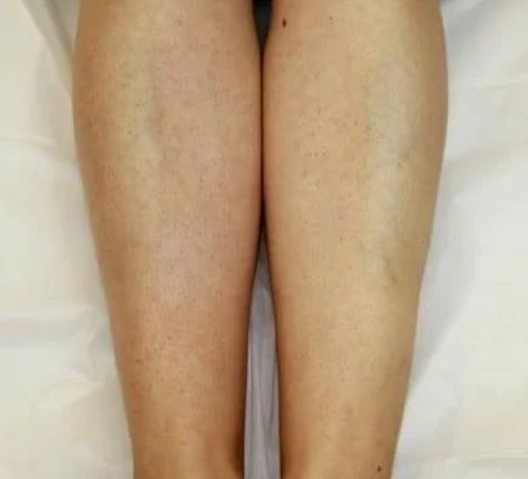
Sessions last 15-60 minutes depending on the area. You’ll wear protective eyewear, and a cooling gel or device may be applied for comfort. The technician adjusts the laser based on your hair color, thickness, and skin type, then pulses the light over the target zone – it feels like a rubber band snap, with optional numbing cream for sensitive spots.
Post-pulse, you might notice redness like mild sunburn. In practice, larger areas like legs require more time, but advancements in laser tech, per FDA guidelines, make it quicker and less painful than a decade ago. Always choose FDA-cleared devices operated by trained professionals to avoid complications.
Laser hair removal provides a reliable, long-lasting solution to unwanted hair by damaging follicles with targeted light, backed by organizations like the AAD. With proper preparation, professional execution, and aftercare, it minimizes risks and maximizes benefits – offering freedom from routine hair removal. If you’re considering it, consult a board-certified dermatologist for a personalized assessment; in my expert view, it’s a game-changer for those tired of traditional methods, delivering value that outweighs the investment.