
Laser hair removal recovery is usually simple and does not require real downtime. Most people can return to normal daily activities right after their appointment, but the treated skin may feel warm, sensitive, slightly red, or mildly swollen for the first 24 to 48 hours. These reactions are common and usually temporary.
The most important part of the recovery process is proper aftercare. What you do in the first few days after treatment can affect your comfort, your skin response, and the quality of your long-term results. Avoiding heat, sun exposure, harsh skincare, waxing, and friction helps the skin calm down while the treated follicles begin the shedding process.
Below, we explain what happens after laser hair removal, how long recovery takes, when hair starts to fall out, what is normal, what to avoid, and when you should contact your provider.
Laser hair removal is a proven cosmetic procedure that uses concentrated light to target and damage hair follicles, leading to long-term hair reduction. It’s safe for most people when performed by qualified professionals, offering smoother skin without the hassle of shaving or waxing, with results lasting months to years after a series of sessions. Based on guidelines from the American Academy of Dermatology (AAD), it’s most effective for those with light skin and dark hair, but advancements make it viable for various skin types.
Laser hair removal uses focused light energy to target pigment inside the hair follicle. The laser heats the follicle and damages its ability to produce new hair. Because the laser is most effective when hair is in the active growth phase, one session cannot treat every follicle at the same time.
This is why laser hair removal requires a series of treatments. Hair grows in cycles, and different hairs enter the active phase at different times. With each session, more follicles are treated, hair density becomes lower, and regrowth usually becomes finer, softer, and lighter.
Most treatment plans are spaced about 4 to 8 weeks apart, depending on the area being treated, your hair type, your skin type, and your provider’s recommendation.
Right after your laser hair removal session, the treated area may look and feel similar to a mild sunburn. This does not mean the skin is damaged in an unusual way. It is a common response to the heat delivered into the hair follicles.
You may notice:
These effects usually fade within a few hours to a couple of days. Some areas, such as the bikini line, underarms, face, and neck, may feel more sensitive because the skin is thinner or the hair is denser.
A cool compress, aloe vera gel, or a gentle fragrance-free moisturizer can help calm the skin. Your provider may also recommend a specific post-treatment product based on your skin response.
Laser hair removal has minimal downtime. Most clients can return to work, school, errands, and regular daily activities immediately after treatment. However, “no downtime” does not mean “no aftercare.”
For the first 24 to 48 hours, your skin is more sensitive than usual. During this window, you should avoid anything that increases heat, friction, irritation, or sun sensitivity. This includes hot showers, saunas, intense workouts, tanning, scrubs, active skincare ingredients, and tight clothing over the treated area.
Think of the recovery process as a short skin-calming period. Your skin does not need to be hidden away, but it does need gentle care.
First 24 Hours After Treatment
The first day is when the skin is usually most reactive. Redness, warmth, swelling, or follicle bumps may appear shortly after treatment. These effects are normal and usually improve quickly.
During the first 24 hours:
If the treated area is exposed to daylight, apply broad-spectrum sunscreen with SPF 30 or higher.
48 to 72 Hours After Treatment
By the second or third day, most redness and sensitivity should be much better. The skin may look almost normal again, but it is still important to be careful with exfoliation, active skincare, and sun exposure.
At this stage, you can usually return to more of your normal routine, but avoid harsh scrubs, retinol, acids, perfumed lotions, and aggressive shaving if the skin is still tender.
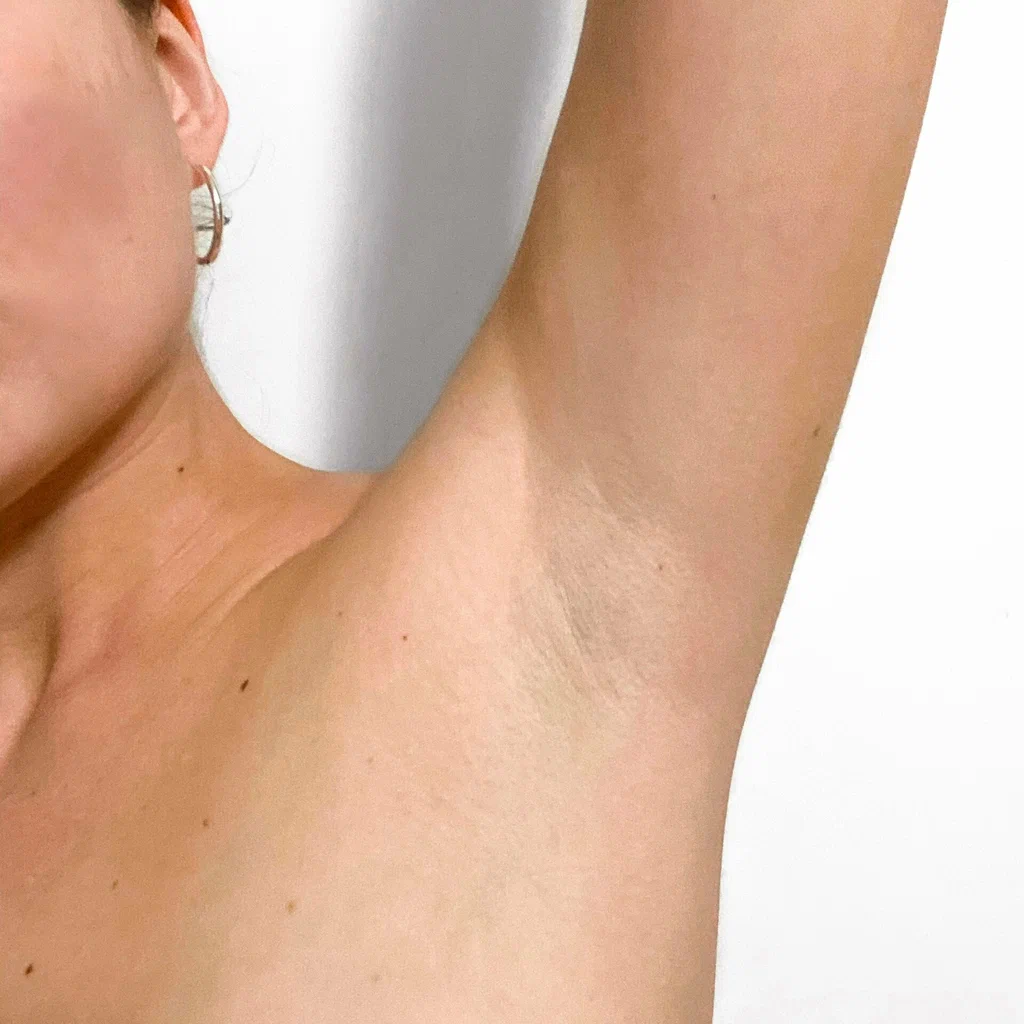
If you had underarm laser hair removal, avoid deodorants with fragrance or irritating ingredients until the area feels calm.
1 Week After Treatment
During the first week, many people feel like nothing dramatic is happening. The hair may even look like it is still growing. This is normal.
In reality, the treated hairs are being pushed upward and out of the follicle. This is part of the shedding process, not failed treatment.
You may shave if needed, as long as the skin is not red, swollen, painful, or irritated. Do not wax, tweeze, thread, or pluck the hair because these methods remove the follicle structure that the laser needs to target in future sessions.
1 to 3 Weeks After Treatment
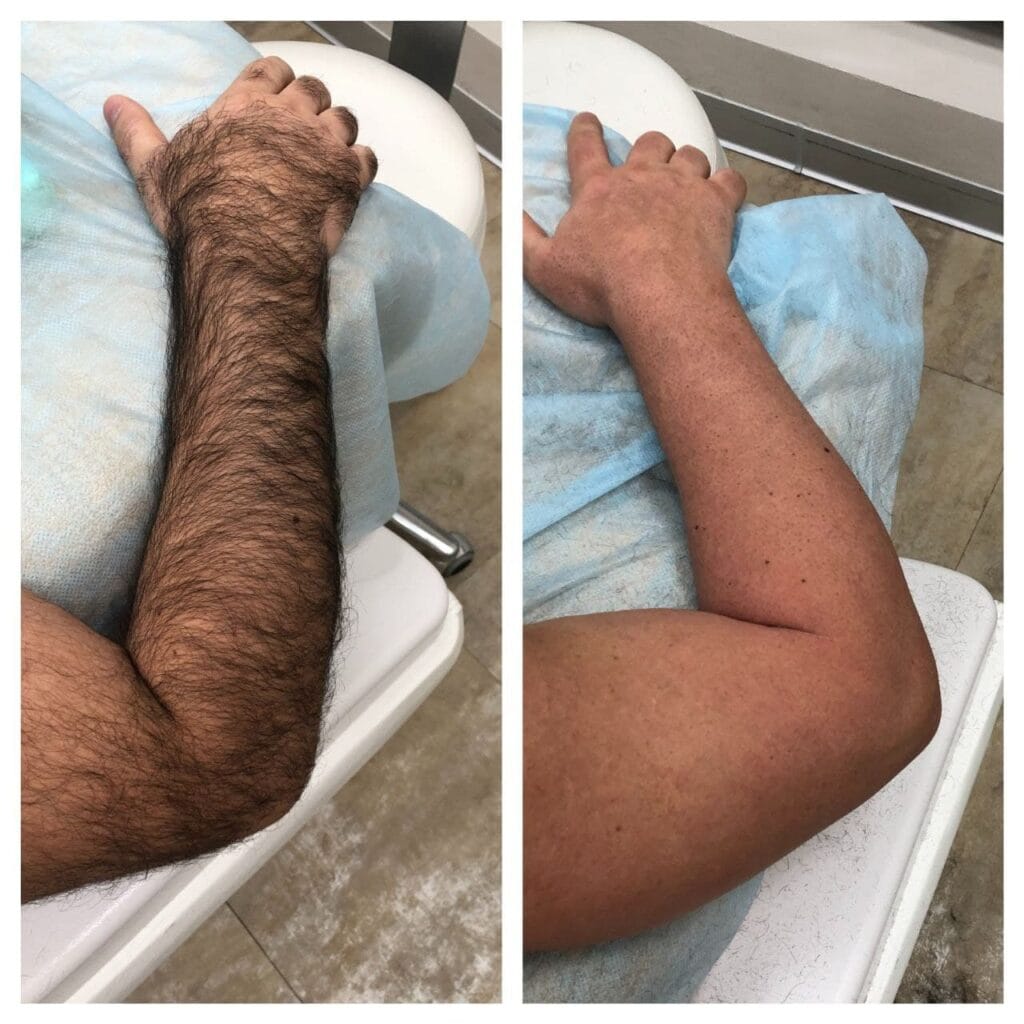
Hair shedding usually begins about 7 to 21 days after laser hair removal. You may notice tiny dark dots, stubble-like hairs, or patchy areas where hair starts to loosen and fall out.
This is one of the most important parts of the recovery and results process. The treated hairs are leaving the follicle naturally. You should not pull them out. Gentle exfoliation may help once the skin is fully calm, but only if your provider says it is safe for your treatment area.
The skin may start to feel smoother during this period, and regrowth may appear less dense.
3 to 4 Weeks After Treatment
By weeks three and four, many treated hairs have shed. The area may look patchy because some follicles responded to the treatment while others were not in the active growth phase at the time of your session.
Patchy growth is expected. It means some hairs were affected while others will need to be targeted in future sessions.
New growth may look softer, lighter, or finer. Some areas may feel smoother for longer than they did after shaving or waxing.
4 to 8 Weeks After Treatment
Depending on the body area, your next session may be scheduled around this time. Face and neck areas often need shorter intervals, while larger body areas such as legs, back, chest, or bikini may require longer spacing.
The goal is to treat new hairs as they enter the active growth phase. Staying consistent with your schedule is key for strong long-term results.
Proper aftercare helps reduce irritation and supports a smoother recovery.
Keep the Skin Cool
If the area feels warm or sensitive, apply a cold compress wrapped in a clean soft cloth. Use short intervals and avoid placing ice directly on the skin.
Aloe vera gel can also help soothe temporary redness and heat.
Moisturize Gently
Use a fragrance-free, non-irritating moisturizer to support the skin barrier. Avoid heavily scented body lotions, oils, or products with strong active ingredients during the first few days.
Hydrated skin usually feels more comfortable and recovers more smoothly.
Use Sunscreen Every Day
Sun protection is one of the most important parts of laser hair removal aftercare. Treated skin is more sensitive to UV exposure, and sun exposure can increase the risk of pigmentation changes.
Use broad-spectrum SPF 30 or higher on exposed areas. Reapply as needed, especially if you are outdoors in New York during sunny weather.
Wear Loose Clothing
Tight clothing can rub against treated skin and cause unnecessary irritation. This is especially important after laser hair removal on the bikini line, legs, underarms, back, chest, or neck.
Choose soft, breathable fabrics for the first couple of days.
Shave Only When the Skin Feels Calm
Shaving is allowed between laser hair removal sessions because it cuts hair at the surface without removing the follicle. However, do not shave immediately if the skin is red, swollen, or painful.
Wait until irritation has gone down before shaving the treated area.
The first few days after treatment are about preventing heat, friction, and irritation.
For at least 24 to 48 hours, avoid:
Heat can make redness and swelling worse and may delay skin calming.
Do not tan before or after laser hair removal. This includes natural sun tanning, tanning beds, and self-tanning products.
Tanned skin can interfere with laser targeting and may increase the risk of burns, irritation, or pigmentation changes. If the treated area is exposed, sunscreen is not optional.
Waxing, tweezing, threading, and sugaring remove hair from the root. Since laser hair removal works by targeting the follicle, removing the root can make future treatments less effective.
Between sessions, shaving is the safest method.
For the first few days, avoid products that can irritate the skin, including:
If you had facial laser hair removal, ask your provider when it is safe to restart active skincare.
Itching can happen after treatment, especially if the follicles are inflamed. Do not scratch the area. Scratching can irritate the skin, introduce bacteria, and increase the risk of marks or infection.
Use a cool compress, aloe vera, or a provider-approved soothing product instead.
Hair does not usually fall out immediately after laser hair removal. Shedding typically begins within 1 to 3 weeks.
At first, it may look like the hair is growing. In reality, the treated hairs are moving upward and out of the follicle. This is a normal sign that the laser affected the targeted hairs.
You may notice:
Do not pull the hairs out. Let them shed naturally.
Seeing new hair after your first laser session is completely normal. Laser hair removal only affects hairs that are in the active growth phase during treatment. Dormant follicles may produce hair later.
This does not mean the treatment failed. It means your hair is following its normal growth cycle.
With each session, more active follicles are treated. Over time, hair reduction becomes more noticeable, and regrowth usually becomes thinner and lighter.
Results vary depending on your hair color, skin tone, treatment area, hormones, and consistency with appointments. Many people notice some reduction after the first session, but the most visible improvement happens gradually over a series of treatments.
In general, laser hair removal can reduce hair growth significantly after multiple sessions. Some clients need 6 to 8 sessions, while others may need more, especially for hormonal areas such as the face, chin, upper lip, or bikini line.
Maintenance sessions may be recommended once or twice a year depending on your body’s response.
Temporary side effects are common and usually mild. Normal reactions may include:
These effects often improve within 24 to 72 hours.
Most recovery symptoms are mild, but some reactions should be checked by a professional. Contact your provider if you notice:
Professional guidance is important, especially if you have sensitive skin, darker skin tones, a history of pigmentation issues, or you are using medications that increase light sensitivity.
Face and Upper Lip
The face can be more sensitive after treatment. Avoid makeup for at least 24 hours if the skin is red or irritated. Be careful with retinol, acids, vitamin C, and exfoliating products.
Sunscreen is especially important for facial areas.
Underarms
Avoid deodorant for the first 24 to 48 hours if the area feels irritated. Fragrance, alcohol, and aluminum-based ingredients may sting or worsen sensitivity.
Wear loose clothing and avoid heavy sweating right after treatment.
Bikini Area
The bikini line can be sensitive due to friction from clothing. Wear loose cotton underwear and avoid hot baths, workouts, swimming, and tight leggings for the first couple of days.
Do not wax or tweeze between sessions.
Legs
Legs may develop small follicle bumps or temporary redness. Avoid tight jeans, hot showers, and intense workouts immediately after treatment.
If your legs were treated, avoid prolonged heat and direct sun exposure.
Back and Chest
Back and chest treatments may involve larger areas, so redness and warmth can be more noticeable. Wear soft, loose clothing and avoid sweating-heavy activities for 24 to 48 hours.
If you are considering laser hair removal in New York, choosing an experienced provider is essential. The right specialist will evaluate your skin tone, hair type, treatment area, sensitivity level, and goals before creating a treatment plan.
At Skin Aesthetics in Floral Park, NYC, laser hair removal is performed with attention to safety, comfort, and long-term results. Every treatment plan should be customized because no two clients have the exact same hair growth pattern, skin response, or recovery process.
Whether you are treating the underarms, bikini line, legs, face, chest, back, or another area, proper technique and aftercare guidance can make the experience smoother and more effective.