
Laser hair removal can improve strawberry legs when the dark dots come from visible dark hairs, recurring ingrown hairs, or irritation caused by frequent shaving. It is less predictable when the main problem is keratosis pilaris or lingering dark marks. The right treatment depends on what is creating the dots.
That distinction matters before you buy a treatment package. Reducing hair growth and clearing uneven skin tone are different goals, and they may require different treatments.
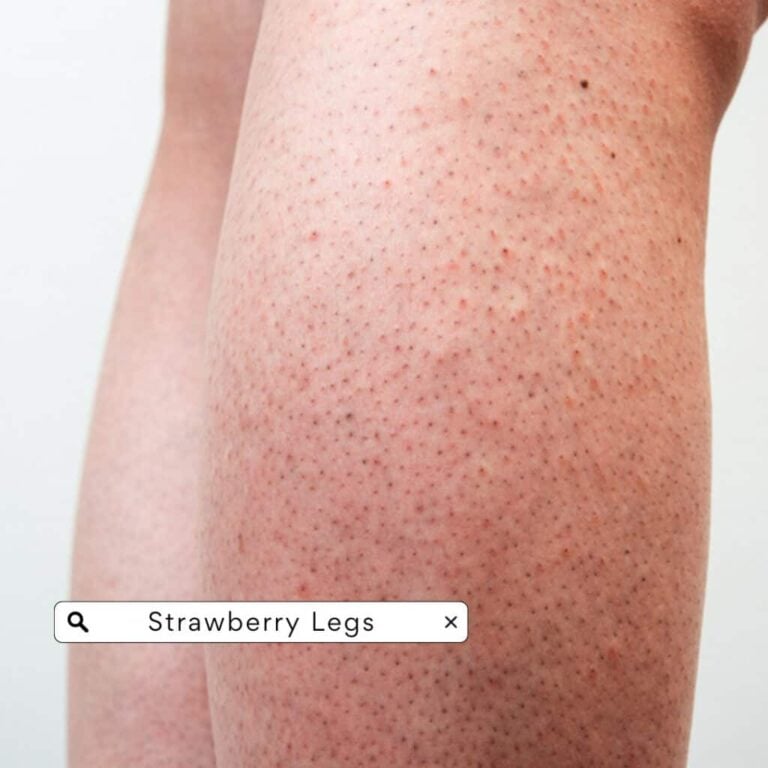
“Strawberry legs” describes a dotted or speckled appearance around hair follicles. It is an informal description, not a single medical diagnosis. Several concerns can look similar, and more than one can be present at the same time.
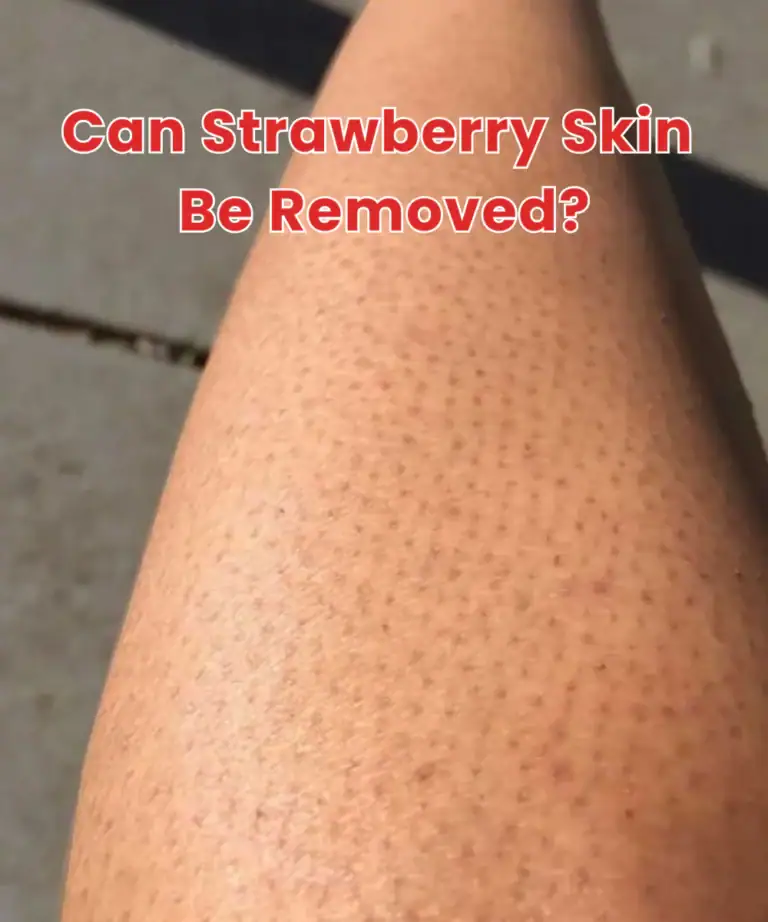
These clues cannot confirm a diagnosis. Folliculitis, for example, can result from infection, irritation, or blockage; a red bump does not automatically mean bacteria are responsible. DermNet: folliculitis.
Hair-removal lasers use energy absorbed by pigment in the hair to damage structures responsible for hair growth. As treatment reduces the number of growing hairs, there may be less dark stubble visible beneath the skin. American Society for Dermatologic Surgery: hair removal.
For people prone to ingrown hairs, reducing hair growth also reduces opportunities for hairs to curl back into the skin. Needing to shave less often can help limit repeated irritation. Laser is one treatment option for pseudofolliculitis, the inflammatory reaction associated with ingrown hairs. DermNet: razor bumps and their treatment.
This explains why laser can be useful even when changing razors has not solved the problem. It does not mean treatment permanently seals pores, removes every keratin plug, or sterilizes the skin.
It may help some people, but KP needs its own treatment plan.
Keratosis pilaris involves follicular plugging that produces small, rough bumps. Moisturizers and products containing ingredients such as urea, lactic acid, or salicylic acid are common treatment options. A dermatologist may consider laser or light treatments when topical care is insufficient. These treatments do not provide a permanent cure. American Academy of Dermatology: KP treatment.
A small randomized trial studied an 810-nm diode laser on upper-arm KP. Eighteen participants completed the study. Three treatments improved roughness and bumpiness, but did not significantly improve baseline redness. Two enrolled participants withdrew after developing inflammatory hyperpigmentation. The study involved Fitzpatrick skin types I–III. Read the clinical trial in JAMA Dermatology.
Those findings support a possible benefit for texture. They do not establish that routine leg hair removal will clear every case of KP or work equally well across all skin tones.
If roughness is your main concern and you have little unwanted hair, ask whether a KP-focused plan would be a better starting point.
Not reliably as a direct treatment. A dark hair beneath the surface and a brown mark within the skin are different targets.
Post-inflammatory hyperpigmentation can remain after an ingrown hair or irritated bump heals. It can occur in any skin tone and may be more persistent in darker skin. Reducing new irritation may give existing marks a chance to fade, but stubborn discoloration may need separate care. Sun exposure can darken it, and overly aggressive procedures can worsen it. DermNet: post-inflammatory hyperpigmentation.
If your hair growth has decreased but brown marks remain, ask for a skin reassessment before purchasing more hair-removal sessions solely to treat the color.
Laser is worth discussing when you have unwanted, pigmented leg hair and the dots or bumps track closely with shaving and regrowth.
Hair color matters. Dark hair generally responds best. White and gray hairs lack an effective pigment target; very light blond and red hair also tend to respond poorly. A dark spot surrounding a light hair does not make that hair a good laser target. Mayo Clinic: how hair color affects treatment.
Laser hair removal can be an option for darker skin tones, but the laser and settings must be selected carefully. Choose a provider experienced with your skin tone, and discuss any recent tanning or previous pigment changes before treatment. Learn more about laser hair removal for dark skin.
Expect a series of appointments over several months. The American Academy of Dermatology notes that hair removal can take six sessions or more. That is a guide to hair reduction, not a promise that strawberry legs will disappear after session six. AAD: laser hair removal overview.
Your provider should individualize the number and spacing of treatments for your leg hair, skin, device, and response. A package containing a particular number of visits does not establish how many your skin needs.
Treated hairs shed over days to weeks rather than falling out immediately. Visible dots soon after a session do not, by themselves, prove treatment has failed. Mayo Clinic: what to expect after laser hair removal.
For a useful progress check, track three things separately:
Take comparison photos in similar lighting and at a similar interval after shaving. That makes them more informative than comparing freshly shaved skin with several days of regrowth.
When You Are Not Immediately Before or After a Session
For dry or rough skin, start with gentle cleansing and regular moisturizing. If KP or follicular buildup is present, a product containing urea, lactic acid, or salicylic acid may help. Follow its directions and reduce or stop use if irritation develops. More frequent exfoliation is not automatically more effective.
Avoid trying to scrub away persistent dots with abrasive salt, coffee grounds, or repeated rough exfoliation. A product that burns or leaves your skin raw is adding irritation.
If you shave, use a clean, sharp blade and shaving lubricant. Shave with the direction of growth and avoid repeated close passes. Do not dig out ingrown hairs.
Before Your Appointment
Follow your provider’s preparation instructions. These commonly include stopping waxing and plucking in advance, shaving as directed, and avoiding tanning and self-tanning products. Waxing removes the hair that treatment needs to target.
Ask when to pause and restart exfoliating acids or retinoids. Do not apply them to irritated skin or assume that a daily KP routine should continue unchanged around treatment.
After Your Appointment
Use the gentle aftercare recommended by your provider and let any irritation settle before restarting exfoliation. Ask about temporary limits on hot showers, workouts, swimming, and friction rather than treating “no downtime” as permission for every activity.
Protect exposed legs from the sun with clothing and broad-spectrum SPF 30 or higher, following your provider’s instructions.
Temporary redness and swelling around follicles can make the skin look bumpier after treatment. The AAD reports that common minor effects generally last one to three days. Burns, blistering, scarring, and darker or lighter patches are possible complications.
Contact the treating provider promptly for blistering, significant pain, or worsening skin changes. Do not try to fix a possible reaction with stronger exfoliants.
Painful, pus-filled, or repeatedly recurring bumps also deserve medical assessment before further cosmetic treatment. Rapidly increasing redness or pain, fever, chills, or feeling unwell require prompt medical care. Mayo Clinic: when folliculitis needs medical attention.
Tired of shaving your legs only to see dark dots and recurring ingrown hairs? At Skin Aesthetics, we offer laser hair removal for women and men in Floral Park, New York, helping you reduce unwanted hair and spend less time shaving.
If hair growth and shaving irritation contribute to your strawberry legs, laser treatment may help improve their appearance. During your consultation, we’ll discuss your skin, hair type, and goals so you understand what results to expect.
Ready for smoother skin and a simpler routine? Book your laser hair removal consultation at Skin Aesthetics today.
It can provide lasting improvement when unwanted hair and repeated shaving are the main drivers. Some hair can regrow, and maintenance may be needed. KP and residual pigmentation can remain even when hair reduction is successful. There is no guaranteed permanent cure for every concern called strawberry legs.
The better choice depends on the target. Laser reduces suitable hair; exfoliating products address surface buildup. A person with recurring ingrown hairs may benefit from laser, while someone with mostly dry, rough KP bumps may begin with topical care. Combining approaches can make sense, with exfoliation adjusted around sessions.
Smooth skin can still show hair beneath the surface or pigment left by previous inflammation. Touch alone cannot distinguish them. If dots persist despite reduced hair growth, have the remaining discoloration assessed instead of assuming you need a stronger laser setting.
Ask the provider to explain which part of your concern they expect to improve: hair shadow, new ingrown hairs, roughness, or existing pigmentation. Then confirm whether the quote covers lower legs or full legs, how progress will be reviewed, and whether maintenance is priced separately.